Best time to visit · February
Best national parks to visit in February
6 parks are at their best in February, and 3 more are great. Each pick says why, with typical highs and lows and how busy it gets. Scores last checked Oct 29, 2026.
Only in February
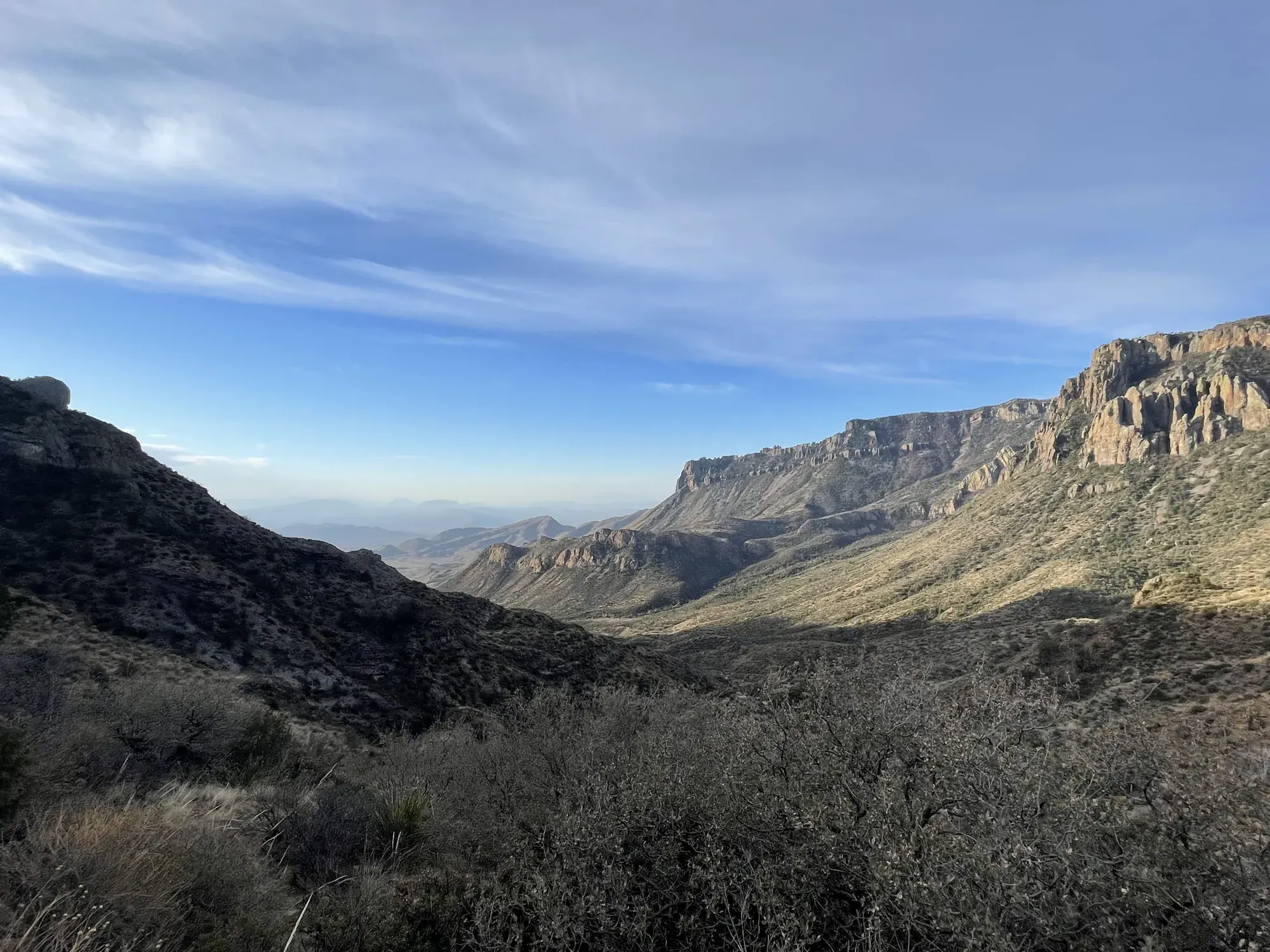
- Wildlife Big Bend: Good birding along the river corridor and at Rio Grande Village.
- Wildlife Biscayne: Manatees and wintering birds.
- In bloom Death Valley: Low-elevation bloom on alluvial fans and foothills typically mid-February to mid-April in wet years (NPS).
- In bloom Saguaro: Early wildflowers may begin in late February, depending on winter rainfall and temperatures.
At their best in February
-
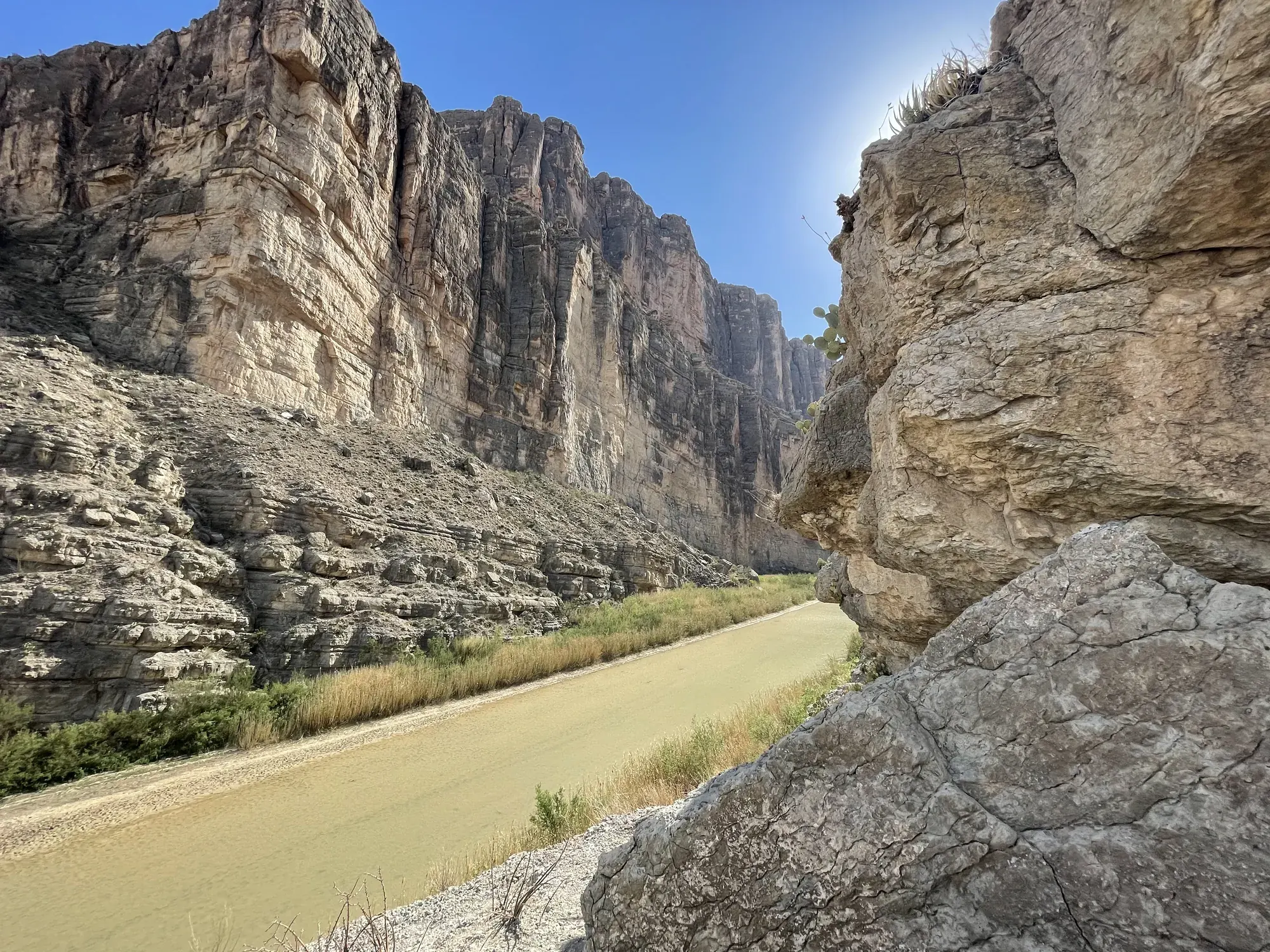
Big Bend
Near-ideal hiking weather, bluebonnets begin, every facility open. Busy but before the spring break crush.
-
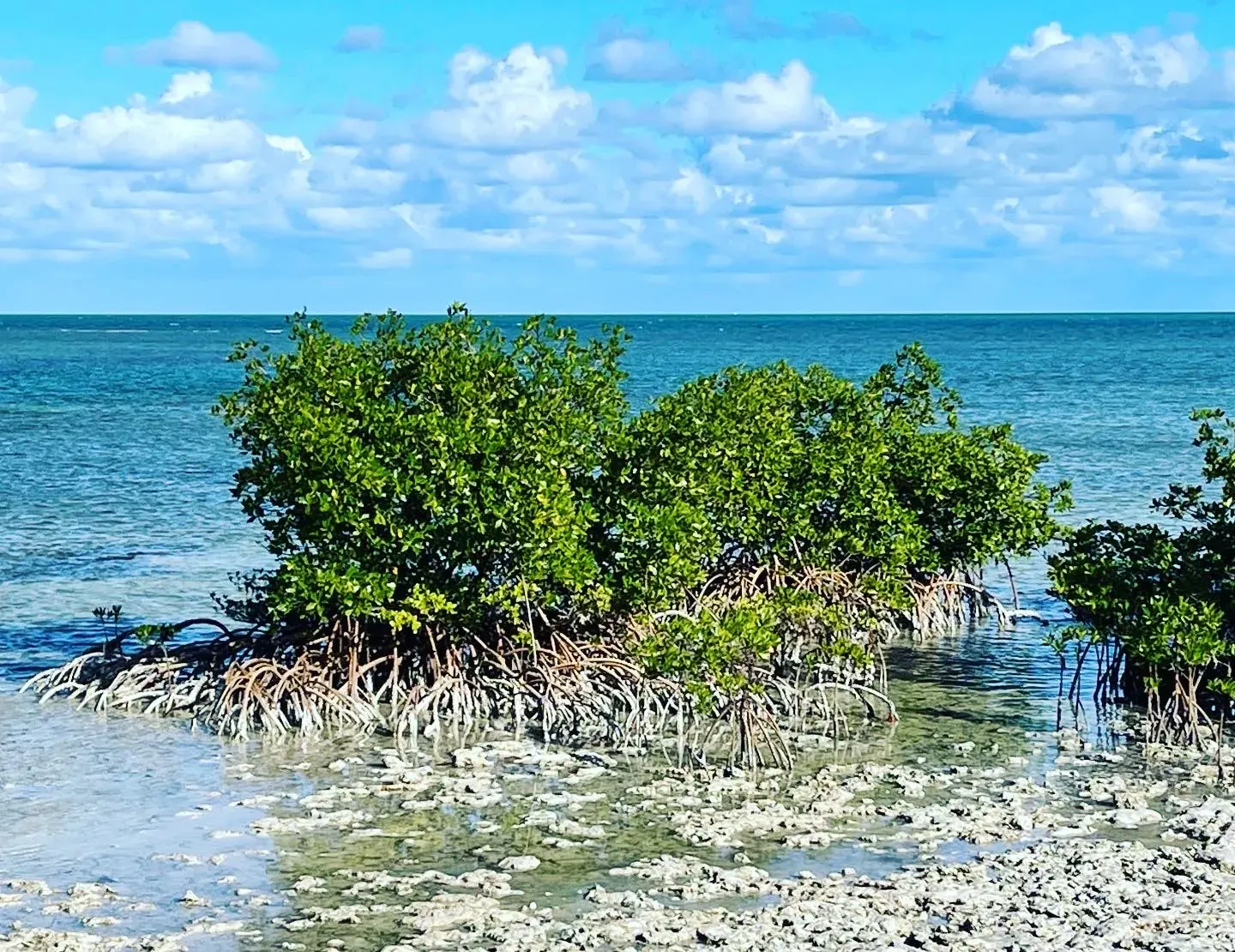
Biscayne
Dry, sunny and comfortable with low bug levels; a top month for island camping, paddling and boat tours.
-
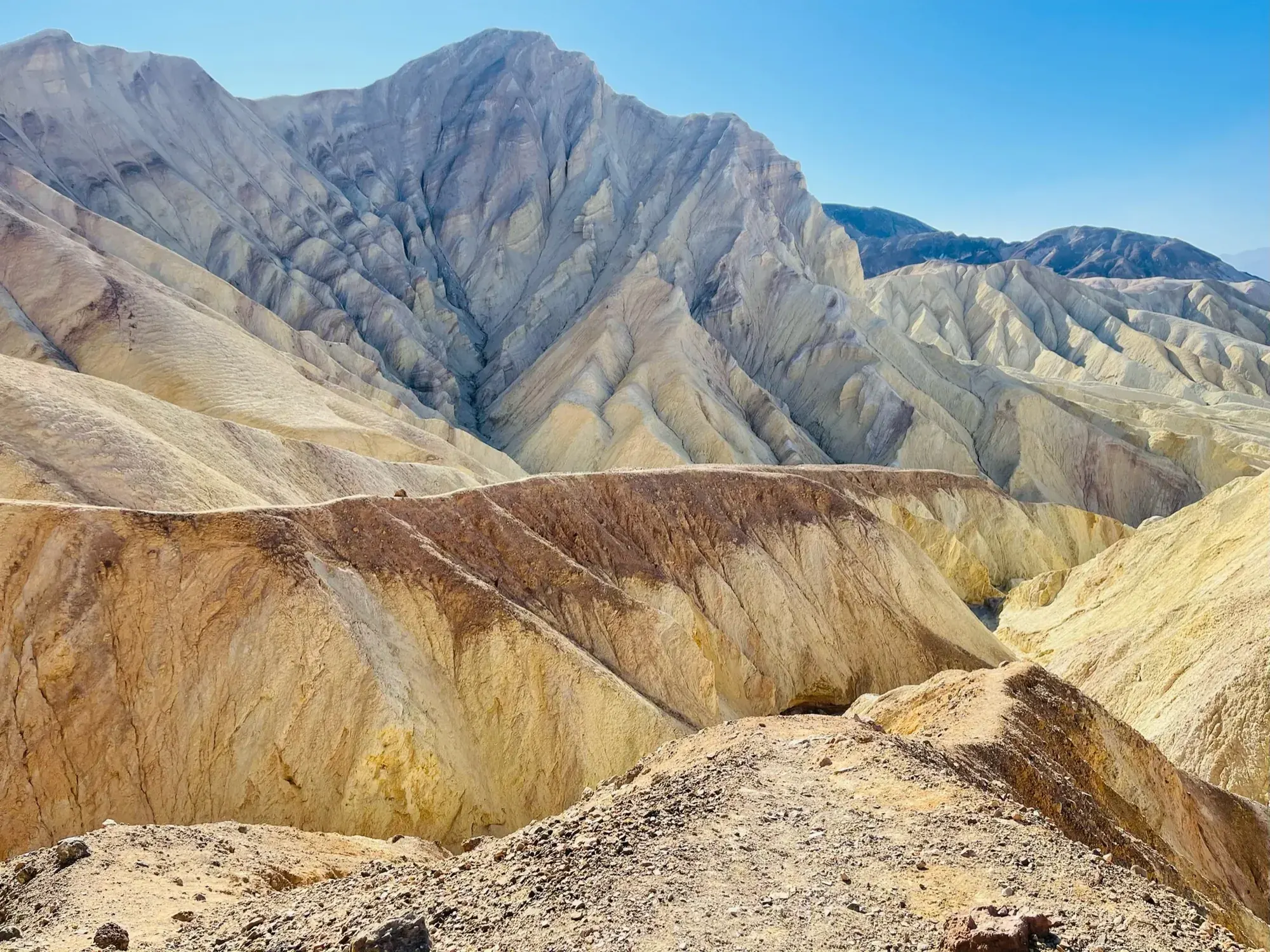
Death Valley
Comfortable 70s, Dark Sky Festival, and in wet years the start of the low-elevation wildflower bloom.
-
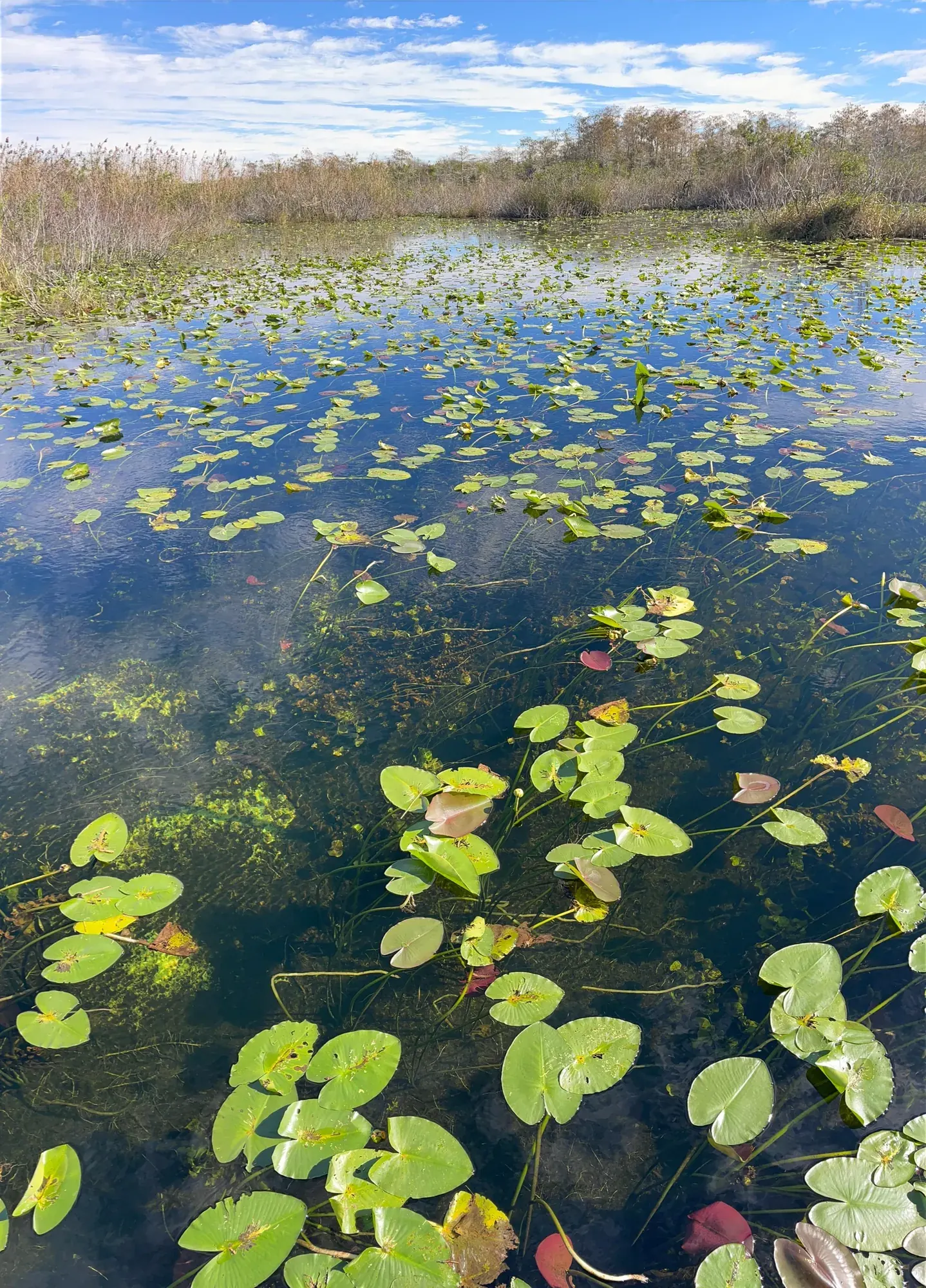
Everglades
Prime dry season with mild temps, low bugs and great wildlife; Presidents Day and festival weekends get crowded.
-
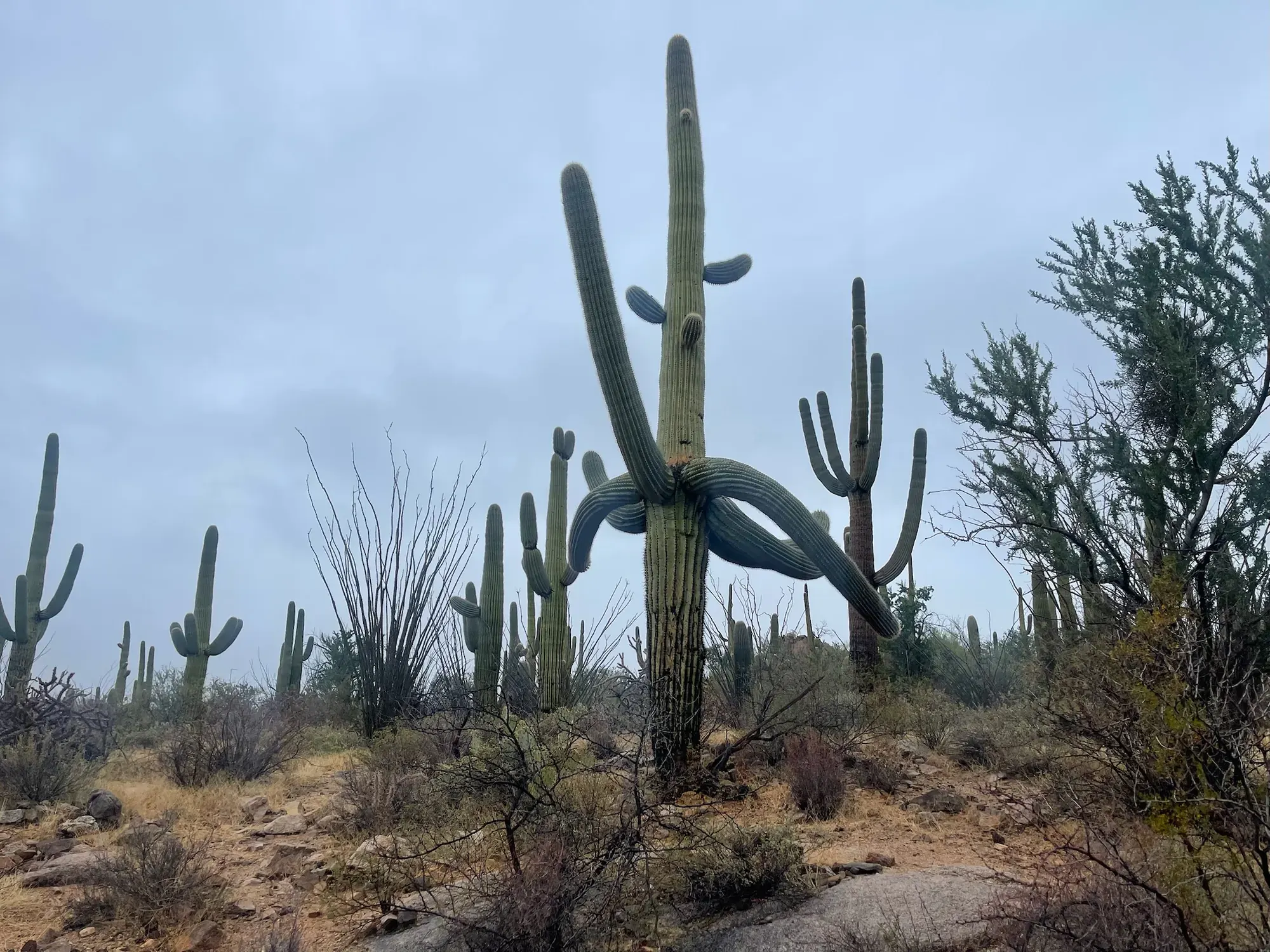
Saguaro
Mild hiking weather and possible early flowers make this excellent despite winter crowds.
-
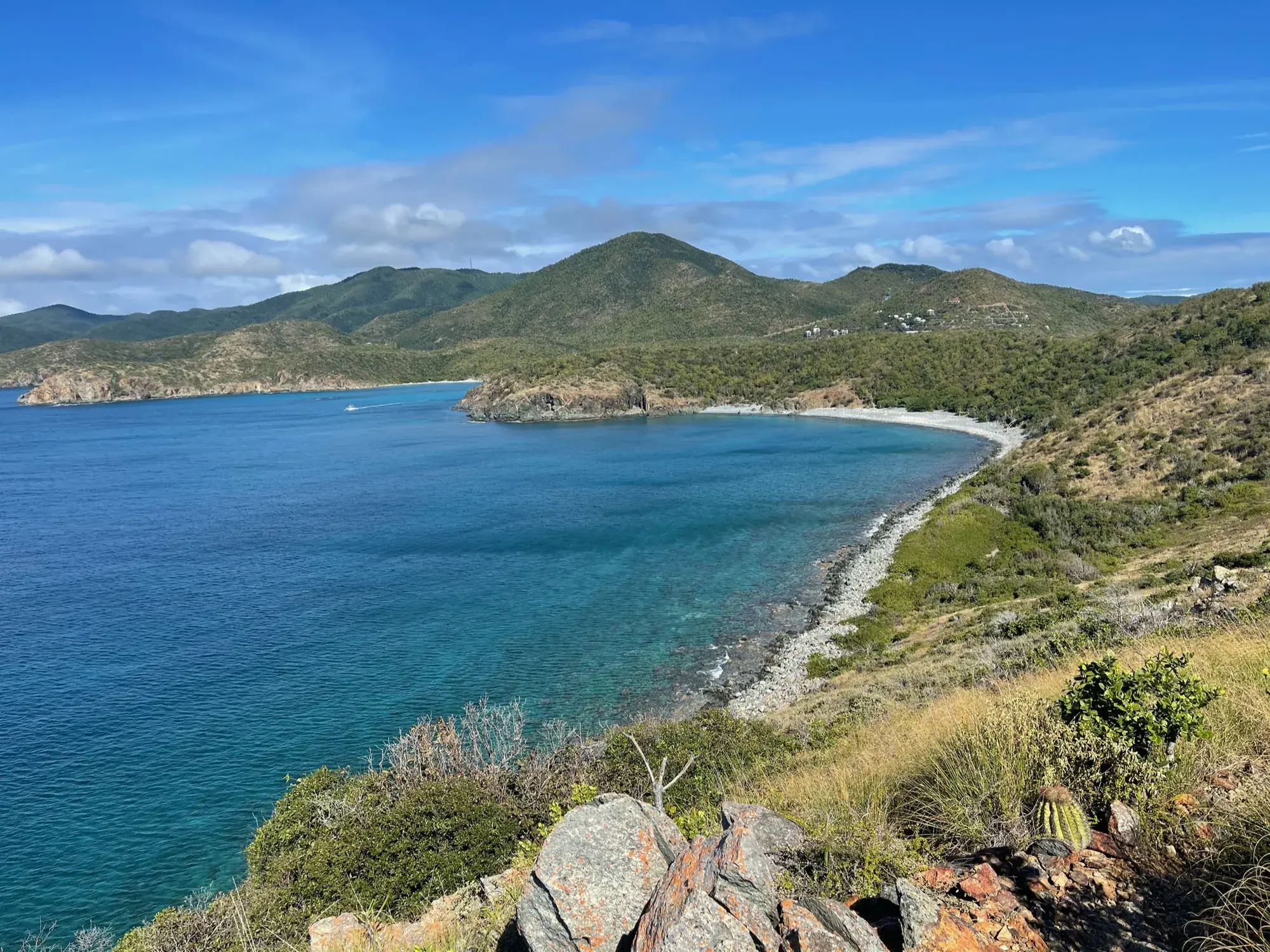
Virgin Islands
Driest month with calm-to-breezy days and clear water; busy, and the 8 Tuff Miles race is held late in the month.
Also great in February
- Dry Tortugas Pleasant mid-70s, the driest month and fewer visitors. Fronts still roil the seas, and terns start nesting on Bush Key.
- Joshua Tree Mild days and early wildflowers in the south, but busy Presidents Day weekend and occasional storms.
- White Sands Mild afternoons and light crowds make a good hiking window, although nights freeze and windstorms can begin.
Fine in February (18)
Show the 18 parks that are fine in February
- Arches Still quiet and warming to about 50°F, but cold nights and lingering ice on shaded trails.
- Bryce Canyon Still deep winter with fresh snow on the hoodoos. Winter Festival weekend is the one busy spell.
- Carlsbad Caverns Few visitors and the cave is a constant 56°F, but it is chilly up top and there are no bats.
- Channel Islands Wettest month, but coreopsis starts blooming, the islands turn green and gray whales are passing through.
- Chiricahua Still chilly with icy trail risk, and crowds build after mid-February as peak season starts.
- Congaree Cool, bug-free and uncrowded, though floods can close trails and the swamp is still mostly bare.
- Gateway Arch Still cold, but crowds are minimal and all indoor exhibits and trams are open. Good for a quick, easy visit.
- Grand Canyon Still quiet and wintry; good for snow photos and solitude, though cold nights and icy trails limit hiking.
- Guadalupe Mountains Cool, clear hiking weather and modest crowds, offset by frequent high winds and chilly nights.
- Haleakalā Wet and cold with the highest snow and ice odds at the summit; crowds are among the year’s lowest.
- Hawaiʻi Volcanoes Still busy and rainy, with the coldest nights of the year. Whale season peaks offshore.
- Hot Springs Still chilly and wet with bare trees, but crowds are moderate and the spas and Bathhouse Row run normally.
- Petrified Forest Few visitors and milder afternoons, with freezing mornings and possible winter road delays.
- Pinnacles Early blooms and cool trails are appealing, but substantial rain and cold nights keep conditions variable.
- Voyageurs A strong winter option for snowshoeing and ice travel when conditions cooperate, with slightly milder temperatures.
- Yellowstone Peak of the snowcoach and snowmobile season with deep snow and good wolf viewing; still bitterly cold.
- Yosemite Waterfalls start to wake up and Horsetail Fall ‘firefall’ glows in mid to late February; still wet and cold.
- Zion Still uncrowded and drivable, slightly warmer than January, with wet storms and icy shaded trails.
Parks to skip in February
Rated not ideal or avoid for February, usually for closed roads, snow, heat or storms.
- Badlands Not ideal Still cold with limited services, yet snow-dusted formations, bison, and solitude reward a quick scenic drive.
- Black Canyon of the Gunnison Not ideal Still winter: limited road access and cold, but quiet and good for snowshoeing on the closed South Rim Drive.
- Canyonlands Not ideal Still cold and icy with few services, though crowds are tiny and the Needles VC reopens mid-month.
- Capitol Reef Not ideal Still cold with highs in the 40s°F. Very few people, but services are winter-limited and back roads are often muddy.
- Crater Lake Not ideal Classic snowshoe season with about 8 ft of snow on the ground; cold and often stormy, with only the Rim Village viewpoint open.
- Cuyahoga Valley Not ideal Still cold and snowy and the quietest stretch; heron courtship and eagle displays begin late in the month.
- Denali Not ideal Still very cold, but longer days, road plowed to Mountain Vista by mid February, and Winterfest weekend.
- Grand Teton Not ideal Deepest snowpack of the year and few services, but bluebird days and groomed road skiing reward winter lovers.
- Great Basin Not ideal Same winter picture: caves, snowshoeing and dark skies in solitude, with the high country snowbound.
- Great Sand Dunes Not ideal Still cold with camping closed, but it is the driest month and nearly empty. Sandhill cranes start arriving in the valley.
- Great Smoky Mountains Not ideal Still winter: icy high roads and closed campgrounds, though the first spicebush blooms appear late in the month.
- Indiana Dunes Not ideal Still frigid with shelf ice and snow; quiet for skiing and snowshoeing, with the visitor center and trails open.
- Lassen Volcanic Not ideal Deep snow and frequent storms; highway closed, but snowshoeing, skiing and ranger walks near the visitor center.
- Mammoth Cave Not ideal Still cold and gray with a limited tour menu; quiet, but campgrounds reopen only on March 1.
- Mount Rainier Not ideal Same winter setup as January: quiet snowy Paradise and snowshoe walks, but limited access and frequent storms.
- American Samoa Not ideal Very wet (about 14 in) and peak cyclone season; cruise days can briefly crowd Tutuila sights.
- New River Gorge Not ideal Light crowds help, but winter footing and limited seasonal facilities still outweigh the benefits.
- Olympic Not ideal Winter solitude and snow sports come with frequent rain, storm closures and limited alpine access.
- Redwood Not ideal Early flowers and sparse crowds help, but winter storms still make outdoor plans unreliable.
- Rocky Mountain Not ideal A quiet month for snowshoeing, with freezing nights, icy travel and no drive across the park.
- Sequoia Not ideal Deep mountain snow limits access, though snowplay and quiet groves reward winter preparation.
- Shenandoah Not ideal Solitude is excellent, but icy roads, cold hikes, and closed campgrounds limit a typical visit.
- Wind Cave Not ideal Similar to January with limited tours and cold prairie; good for solitude and bison.
- Acadia Avoid Deep winter, with highs around 35°F and Bar Harbor’s snowiest month. Roads are mostly closed and services are shut.
- Gates of the Arctic Avoid Still deep winter at -13°F lows, only for ski, snowshoe or dog teams; zero recorded recreational visits.
- Glacier Bay Avoid Off-season with no lodge, boat tour or visitor center. Snow and short days.
- Glacier Avoid Still full winter; lower Lake McDonald area only, good just for skiing or snowshoeing in solitude.
- Isle Royale Avoid Park closed to visitors. Only the wolf-moose research team is on the island.
- Katmai Avoid Cold, closed and frozen, with no visitor services and no bears. This month is for planning, not visiting.
- Kenai Fjords Avoid Still winter. Road closed to cars, no tours or visitor centers. Days are getting longer for ski trips to Exit Glacier.
- Kings Canyon Avoid Quietest month of the year, but snowbound: Grant Grove only, with chains often required and Cedar Grove closed.
- Kobuk Valley Avoid Still bitterly cold with highs under 10F at Kotzebue; days lengthen but travel needs expert winter skills.
- Lake Clark Avoid Still deep winter with closed services; only for self-sufficient ski-plane trips or ice fishing.
- Mesa Verde Avoid Still deep winter with no tours or in-park lodging, and the museum is closed for renovation in 2027.
- North Cascades Avoid Winter closures and avalanche terrain outweigh the quiet valleys and occasional early flowers.
- Theodore Roosevelt Avoid Very cold nights and winter road risks make this a specialist winter trip.
- Wrangell–St. Elias Avoid Still deep winter with lengthening days; aurora possible, but no services and very cold.
Scores and notes are our judgment, built from NPS pages, NOAA climate normals and NPS visitor counts; they are not official NPS data. Temperatures are typical daytime highs and nighttime lows. Seasons shift with snow, fire and storms: always check Is it open? and the park’s nps.gov page before you go.