Best time to visit · January
Best national parks to visit in January
2 parks are at their best in January, and 6 more are great. Each pick says why, with typical highs and lows and how busy it gets. Scores last checked Oct 29, 2026.
Only in January
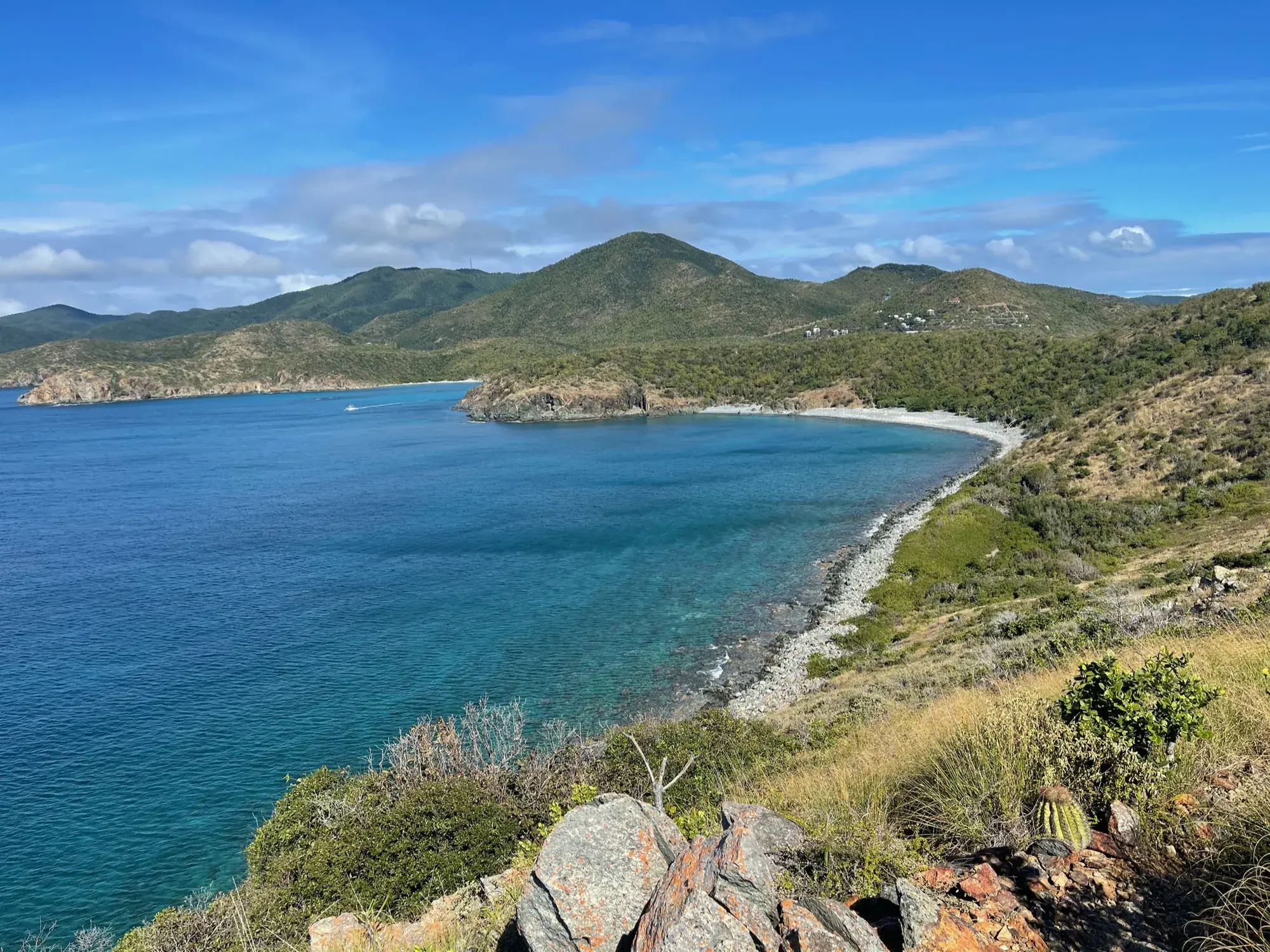
- Wildlife Virgin Islands: Humpback whales migrate past the islands in winter; sea turtles, reef fish year-round.
- Wildlife Big Bend: Javelina, roadrunners, mule deer; winter birding along the Rio Grande.
- In bloom Joshua Tree: NPS says low-elevation blooms (south entrance, Cottonwood, Pinto Basin) can start in January if rain allows.
- Event Everglades: Peak season for ranger-led programs.
At their best in January
-
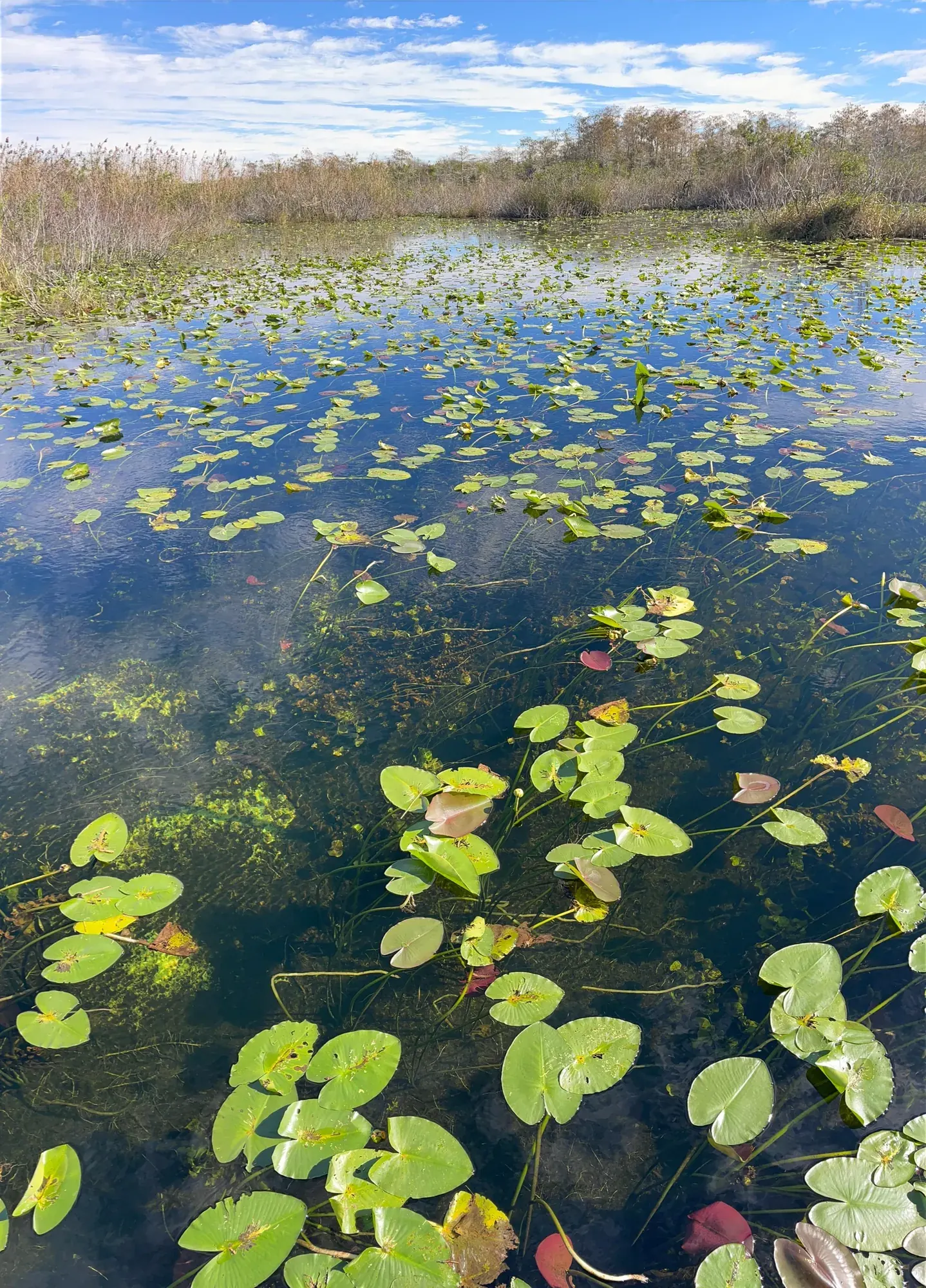
Everglades
Dry, mild and low humidity with few mosquitoes and peak wading birds and gators; expect busy trails and lots.
-
Virgin Islands
Dry season with steady trade winds and 84°F days; peak crowds and cruise visitors, and north-shore swells some days.
Also great in January
- Big Bend Sunny 60s days and freezing nights. The busy season ramps up mid-month, so book camping early.
- Biscayne Driest, mildest month with the fewest bugs, but cold fronts bring wind that can cancel reef and snorkel trips.
- Death Valley Mild 60s days and every campground open, but short days, cold nights and snow on the high peaks.
- Dry Tortugas Coolest, comfortable month with Bush Key often open to mid-January, but cold fronts bring rough crossings and murky snorkeling.
- Joshua Tree Cool sunny hiking days, all campgrounds open and fewer people than spring, but nights freeze in the park interior.
- Saguaro Comfortable desert hiking and winter programs, with cold nights and possible mountain snow.
Fine in January (15)
Show the 15 parks that are fine in January
- Bryce Canyon Snow-frosted hoodoos and almost no crowds, but highs in the 30s, icy trails and limited services.
- Carlsbad Caverns Quietest month and the cave is fully open, but there are no bat flights, surface highs are in the 50s, and January 1 is closed.
- Chiricahua Quiet and crisp with highs in the 50s, but snow and icy trails can close the upper drive some days.
- Congaree Mild, bug-free, quiet hiking with bare trees, but chilly nights and the most frequent floods of the year.
- Gateway Arch Cold and raw outside, but the museum and tram are open with the shortest lines of the year. Riverboats are not running.
- Grand Canyon Quietest month with snowy rim views, but cold (low 18°F), icy upper trails, and the North Rim is closed.
- Guadalupe Mountains Mild sunny days, few people, but cold nights, strong gusts and possible ice on Guadalupe Peak.
- Haleakalā Wet, freezing summit sunrises and occasional ice closures; lighter crowds than December help a bit.
- Hawaiʻi Volcanoes Busiest month of the year, with wet, chilly summit nights near 49F. Lava and offshore whales are the draw.
- Hot Springs Cool, quiet, and a good month for a hot thermal bath, but trees are bare and ice storms can close mountain roads.
- Petrified Forest Quiet overlooks and clear winter views, but freezing nights and occasional snow can disrupt access.
- Pinnacles Cool hiking days and possible early flowers compete with winter rain, freezing nights, and wet caves.
- White Sands Quiet dunes and cool hiking days, but freezing mornings and short visiting hours limit flexibility.
- Yellowstone A snowy wonderland reached mainly by guided snowcoach or snowmobile, with Lamar Valley wolf watching, but brutally cold.
- Zion Quiet canyon you can drive yourself and mild 50s days, but icy trails, freezing nights and cold Narrows.
Parks to skip in January
Rated not ideal or avoid for January, usually for closed roads, snow, heat or storms.
- Arches Not ideal Fewest visitors of the year, but highs near 42°F, nights in the low 20s, short days and icy shaded trails.
- Badlands Not ideal Coldest month with snow and ice, but roads and Ben Reifel stay open and you’ll have the park nearly to yourself.
- Black Canyon of the Gunnison Not ideal Cold and snowy, South Rim Drive closed past the visitor center; fun only if you want snowshoeing or skiing.
- Canyonlands Not ideal Quietest month with snow on red rock, but highs near 37°F, icy trails and Shafer/White Rim often impassable.
- Capitol Reef Not ideal Coldest and quietest month. Highs near 41°F, possible snow and ice, and the Gifford House is closed.
- Channel Islands Not ideal Rainy, stormy month with rough seas that can cancel boats; gray whales and greening hills are the upside.
- Crater Lake Not ideal Deep snow and short days, but you can reach Rim Village for snowshoeing; the lake is hidden by clouds about half the time.
- Cuyahoga Valley Not ideal Cold and snowy with short days, but very quiet; sledding, snowshoeing, and nearby ski resorts if there’s snow.
- Grand Teton Not ideal Frigid and snowy with car roads closed, but quiet ski and snowshoe trips and winter wildlife suit the prepared.
- Great Basin Not ideal Quiet snowy park: cave tours and snowshoeing only, Scenic Drive and most campgrounds closed, nights near 18°F.
- Great Sand Dunes Not ideal Coldest month (35/10F), campground closed and very quiet. Snow-dusted dunes are a draw for hardy photographers.
- Great Smoky Mountains Not ideal Cold and often icy up high, Kuwohi Road and most campgrounds closed; very quiet trails if you dress for it.
- Indiana Dunes Not ideal Coldest, snowiest month (about 16 in of snow); shelf ice and empty trails, but gray and bitter on the lake.
- Lassen Volcanic Not ideal Road closed under deep snow; free weekend ranger snowshoe walks and sledding at the two entrances only.
- Mammoth Cave Not ideal Coldest month with ice storm risk; few tour times and one campground, though the cave itself stays 54°F.
- Mount Rainier Not ideal Snowy Paradise is reachable and quiet with weekend snowshoe walks, but daily gates, chains and storm closures limit it.
- American Samoa Not ideal Wettest month (about 15 in) and mid cyclone season; trails muddy, flights and boats can be disrupted.
- New River Gorge Not ideal Quiet overlooks reward clear days, but snow, ice, and freezing nights limit an easy outdoor visit.
- Olympic Not ideal Quiet rain forests and snow recreation appeal, but heavy rain and restricted mountain access limit a first visit.
- Redwood Not ideal Quiet forests reward flexible visitors, but heavy rain and difficult crossings limit hiking and camping.
- Rocky Mountain Not ideal Snowshoeing and quiet valley scenery reward preparation, but cold and closed alpine roads limit a first visit.
- Sequoia Not ideal Snowy sequoias are beautiful, but chains, storms, and seasonal closures limit a first visit.
- Shenandoah Not ideal Quiet trails and open winter views come with freezing weather, road closures, and few services.
- Voyageurs Not ideal Snow adventures and dark skies reward winter fans, but severe cold and uncertain ice-road openings limit most visits.
- Wind Cave Not ideal Cold, windy and quiet; the cave stays 54°F but tours are limited and short days cut prairie time.
- Yosemite Not ideal Snowy, quiet valley scenery and Badger Pass skiing, but it is the wettest month and the high country is closed.
- Acadia Avoid Coldest month, with highs near 32°F and icy trails. Most of the Loop Road is closed and nothing is staffed or open.
- Denali Avoid Coldest, darkest month with about 5 hours of light; road open only to mile 3 and few services.
- Gates of the Arctic Avoid Deep cold near -19°F lows, very little daylight, and zero recorded recreational visits.
- Glacier Bay Avoid Park is open but the lodge, day boat and tours are closed. Cold, snowy, very wet and dark.
- Glacier Avoid Deep snow; only the lower Sun Road to Lake McDonald Lodge is plowed, with nearly every service closed.
- Isle Royale Avoid Park is legally closed to all visitors from November 1 to April 15, and the closure extends 4.5 miles out into the lake.
- Katmai Avoid Deep winter. Brooks Camp is closed, there are no bears to watch, and NPS recorded zero visitors in 2024 and 2025.
- Kenai Fjords Avoid Road is closed to cars and boat tours don’t run. Short, dark, snowy days. Only for skiers, mushers and snowmachiners.
- Kings Canyon Avoid Deep snow and chain controls; only Grant Grove is reachable and the canyon road to Cedar Grove is closed.
- Kobuk Valley Avoid Deep cold near -8F lows and only a few hours of sun; fly-in winter trips are for expert cold-weather travelers only.
- Lake Clark Avoid Coldest month and almost no services; only ski or wheel-ski planes reach the frozen park when weather allows.
- Mesa Verde Avoid Coldest, snowiest month with no tours or in-park lodging, and the museum is closed for renovation until spring 2027.
- North Cascades Avoid Heavy rain, mountain snow and the closed highway crossing leave few easy options.
- Theodore Roosevelt Avoid Bitter cold, short days, and possible road closures outweigh the solitude.
- Wrangell–St. Elias Avoid Deep cold, about 6 hours of daylight and no services; only for experienced, self-sufficient winter travelers.
Scores and notes are our judgment, built from NPS pages, NOAA climate normals and NPS visitor counts; they are not official NPS data. Temperatures are typical daytime highs and nighttime lows. Seasons shift with snow, fire and storms: always check Is it open? and the park’s nps.gov page before you go.