Best time to visit · March
Best national parks to visit in March
7 parks are at their best in March, and 13 more are great. Each pick says why, with typical highs and lows and how busy it gets. Scores last checked Oct 29, 2026.
Only in March
- Wildlife Biscayne: Sea turtle nesting season begins (Florida season runs March–October, and almost all park nests are loggerheads).
- Wildlife Death Valley: Pupfish spawning at Salt Creek.
- In bloom Joshua Tree: Lower-elevation blooms continue to mid-April.
- In bloom Pinnacles: Typically poppies, bush poppies, buck brush, fiddleneck, monkeyflowers, and baby blue-eyes.
At their best in March
-
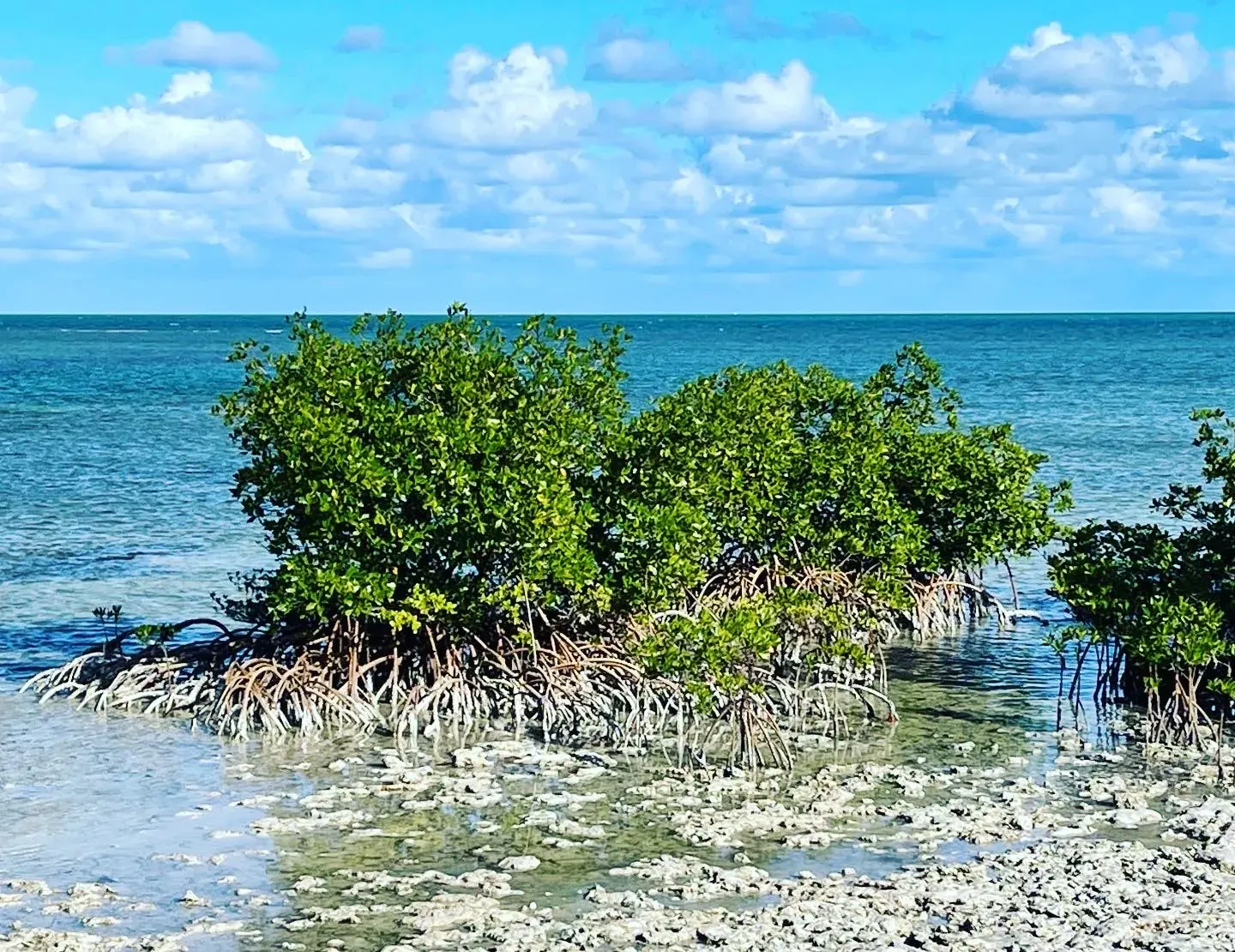
Biscayne
Still dry and warming into the low 80s with lighter winds; the best balance of weather, water and low bug levels.
-
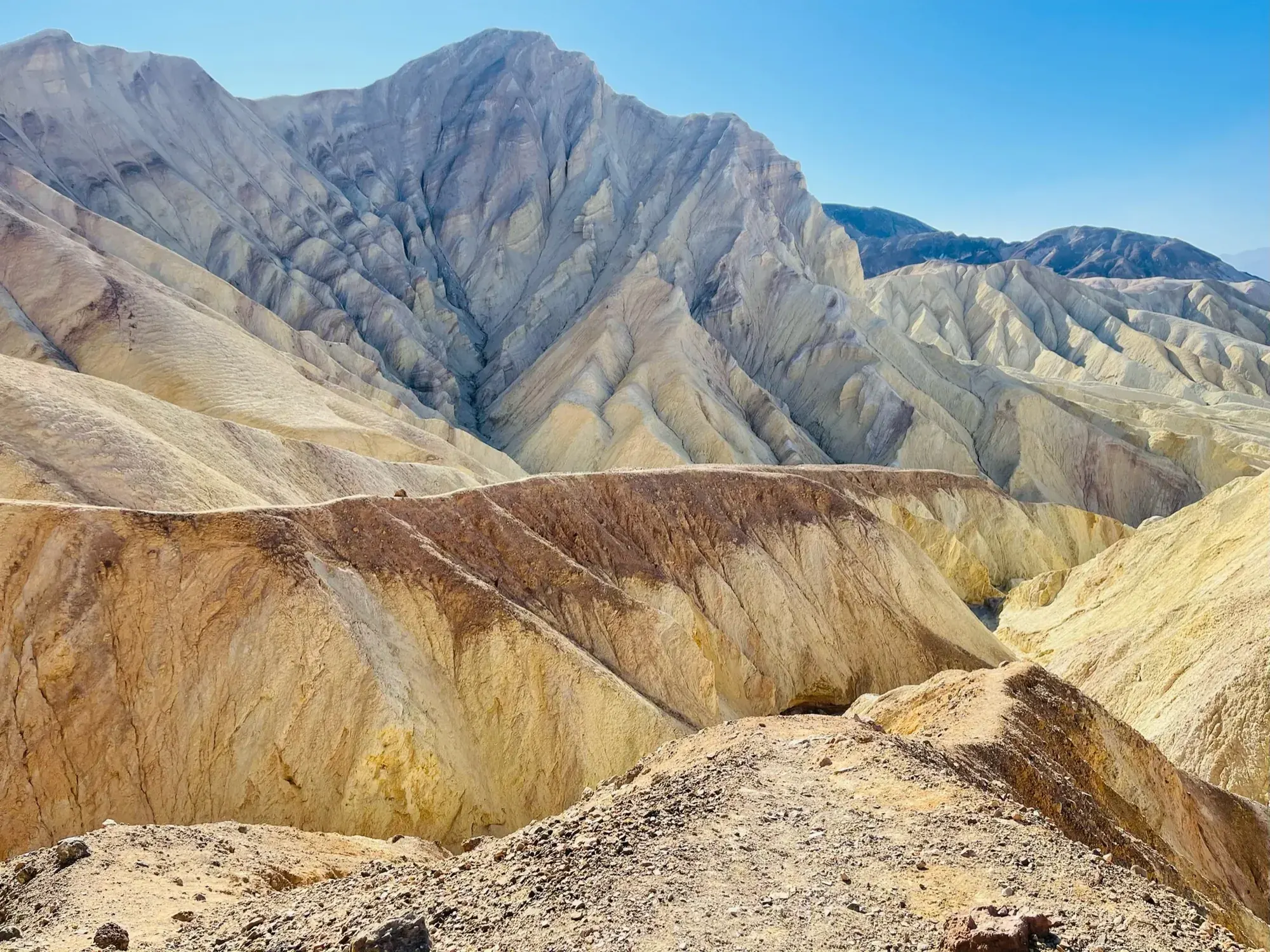
Death Valley
Peak season: low-80s days, wildflowers in wet years and pupfish, but expect full campgrounds.
-
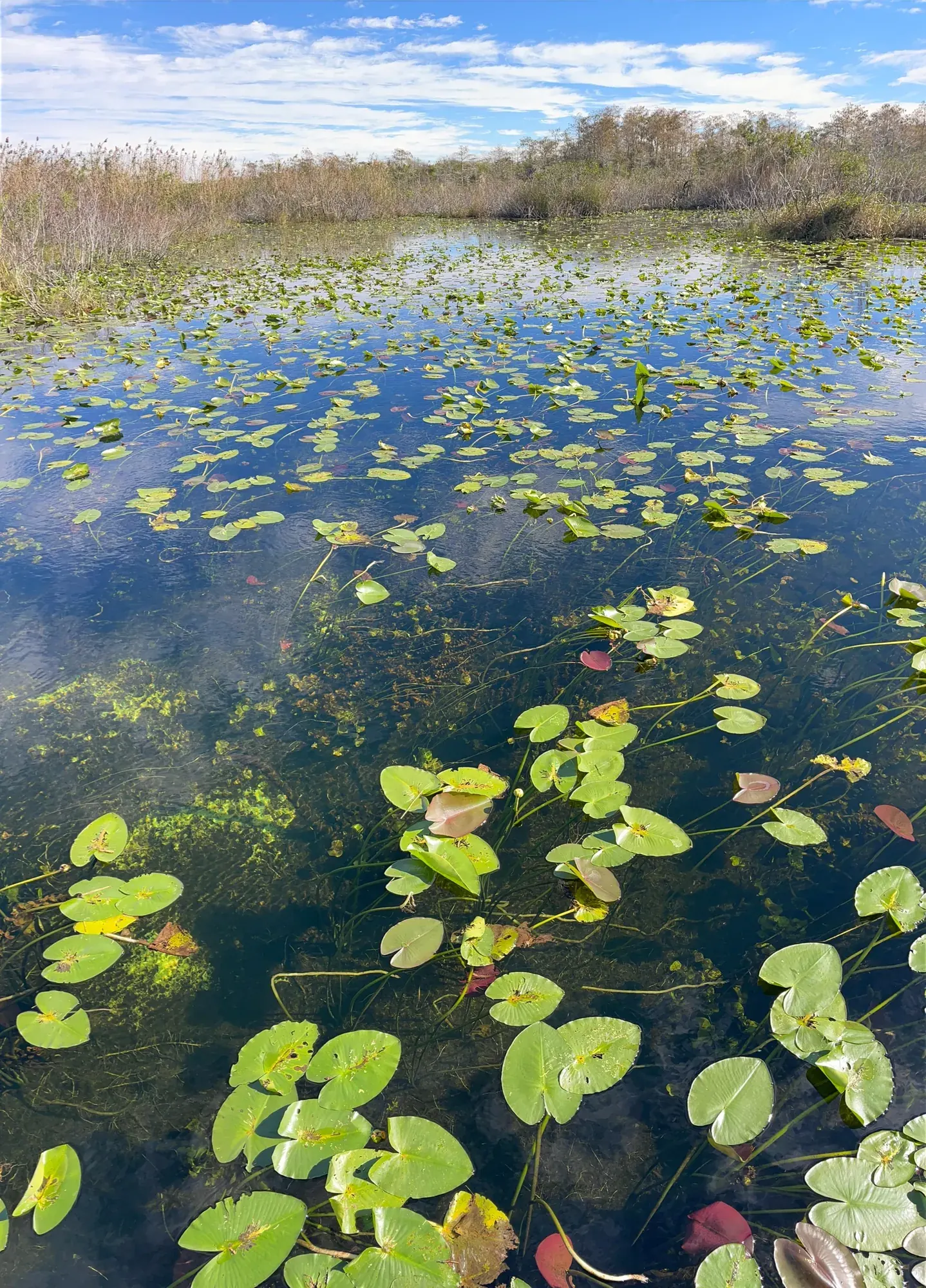
Everglades
Still dry and comfortable; falling water levels pack wildlife together. Often the busiest month, so start early.
-
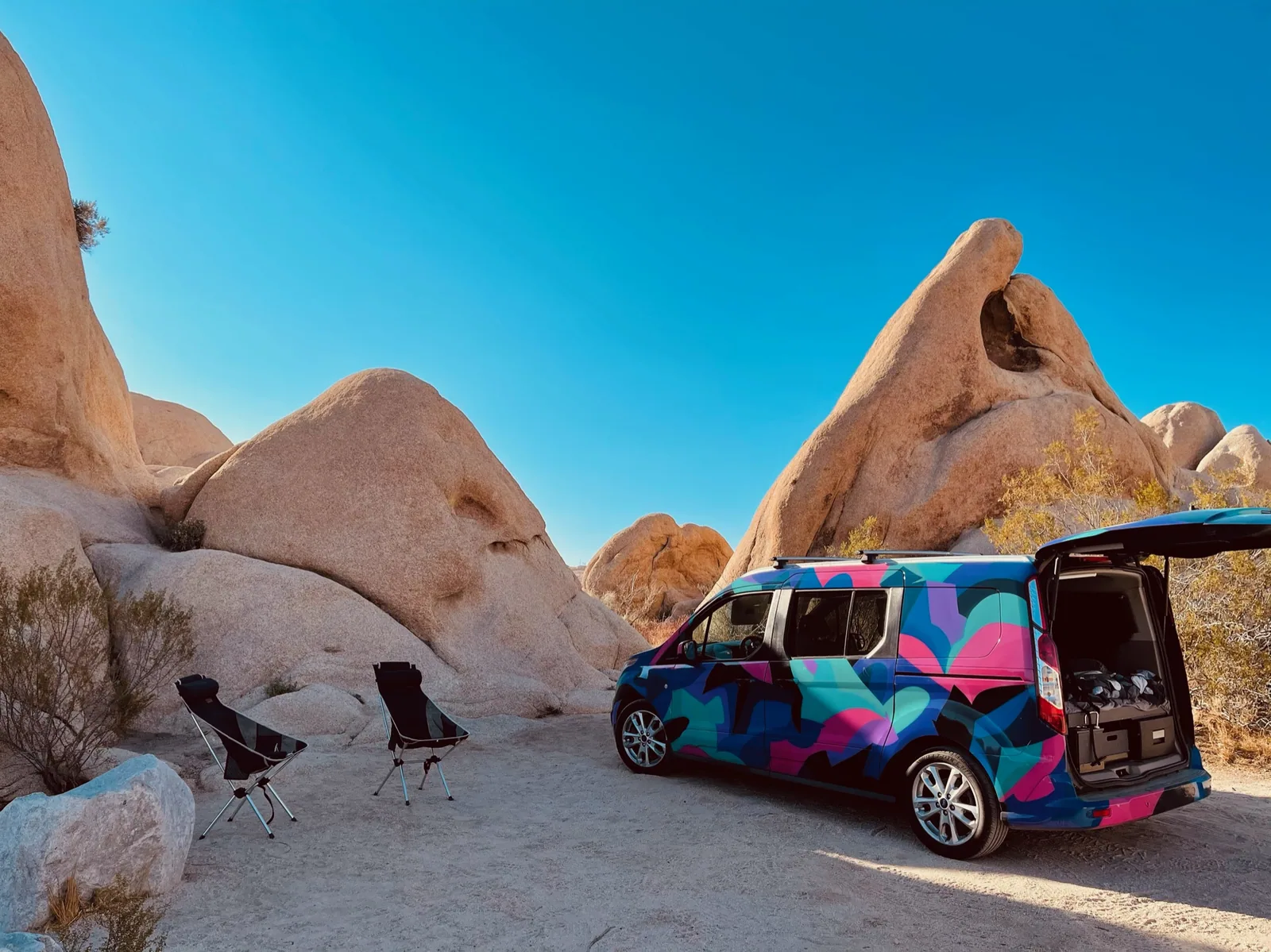
Joshua Tree
Ideal weather and peak wildflowers; busiest month of the year, so go midweek and arrive early.
-
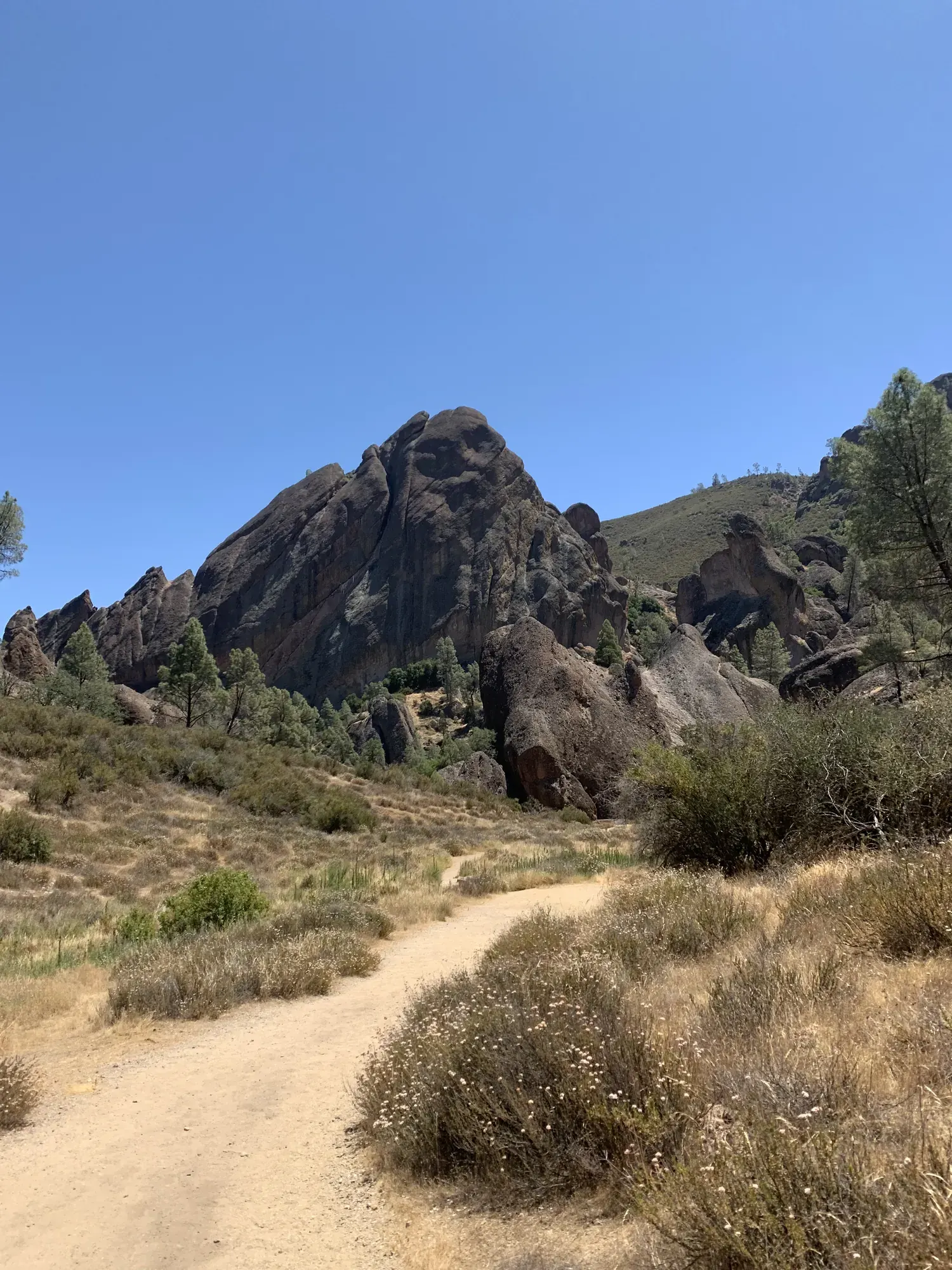
Pinnacles
Comfortable hiking, spring flowers, and possible full cave access outweigh rain risk and peak crowds.
-
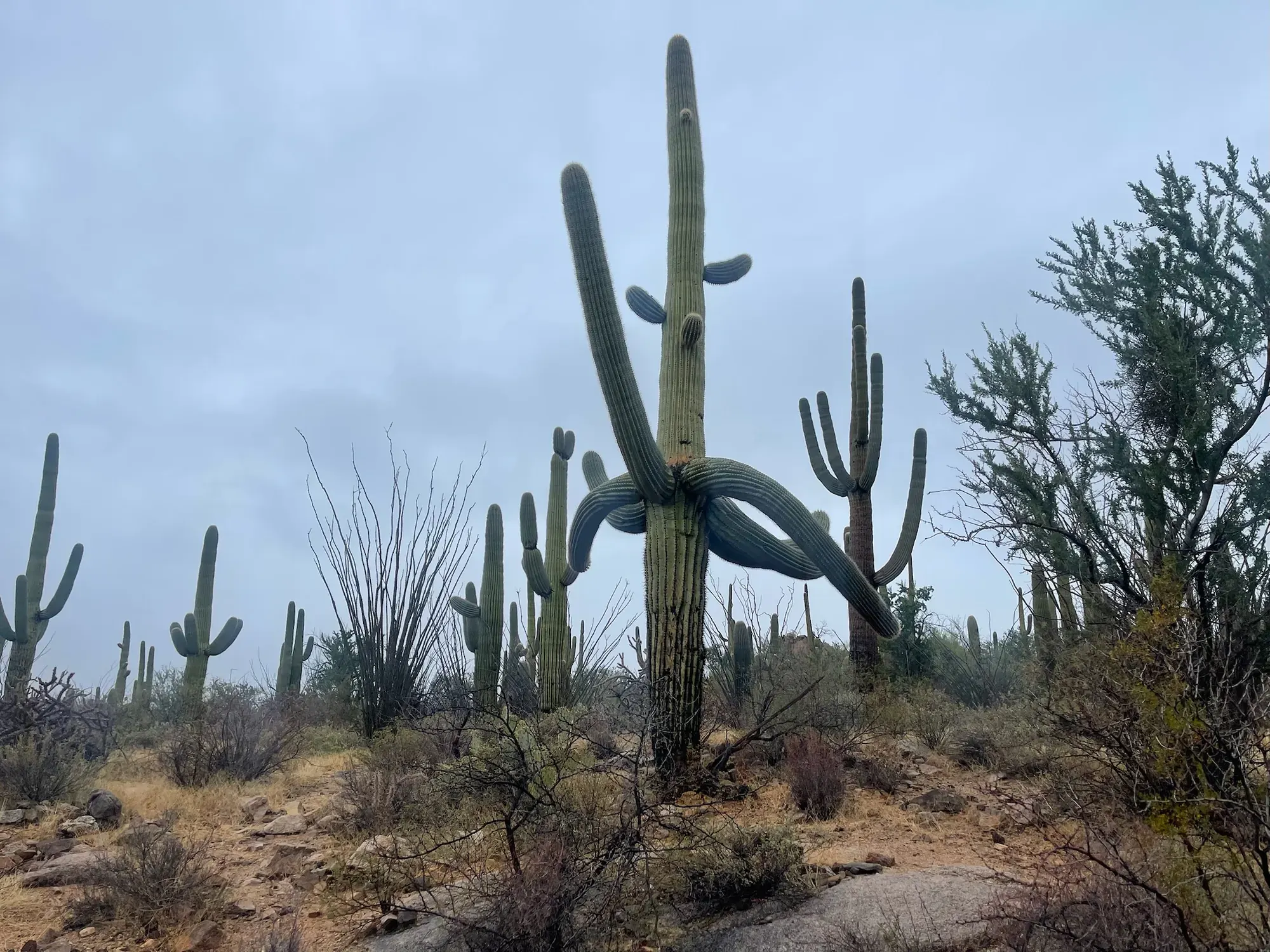
Saguaro
Warm hiking days and the usual spring wildflower peak outweigh the year’s heaviest crowds.
-
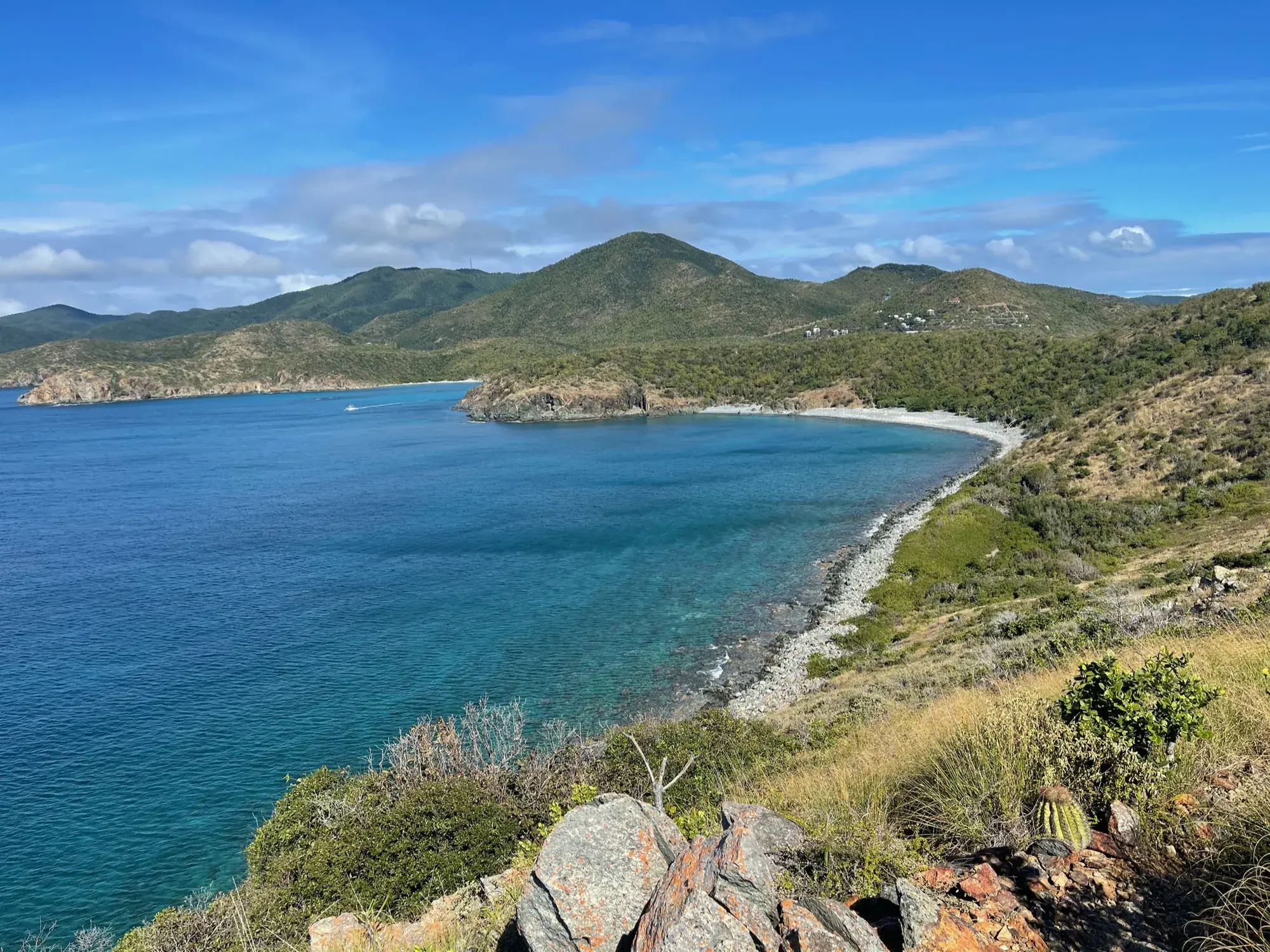
Virgin Islands
Still dry and breezy with great snorkeling; spring-break crowds.
Also great in March
- Arches Pleasant 60s highs and spring light, but crowds jump; March 2026 set a record with about 163,500 visits.
- Big Bend Best weather of spring and peak blooms, but spring break makes this the busiest month. Campsites sell out.
- Canyonlands Mild hiking days and everything reopening, though nights freeze, roads can be muddy and spring break crowds arrive.
- Capitol Reef Warms to the high 50s°F, orchards start blooming, and the Gifford House reopens mid-month. Crowds are moderate.
- Channel Islands Coreopsis and wildflowers near peak with gray whales still around; some storms and spring wind remain.
- Chiricahua Mild hiking weather with highs in the mid 60s, but it is the busiest month, so lots and the campground fill.
- Congaree Comfortable temps and few bugs as spring greens up, but it is one of the busiest months, especially weekends.
- Dry Tortugas Warm, dry and migration is building, but spring-break crowds and lingering fronts can mean choppy seas.
- Grand Canyon Spring break crowds arrive, but the inner canyon is ideal for hiking (about 72°F at Phantom Ranch); rim storms still possible.
- Hot Springs Mild days, spring blooms and lively town events, but it is the start of the busy season and often rainy.
- Petrified Forest Pleasant afternoon temperatures suit exploring, though spring wind and freezing mornings require layers.
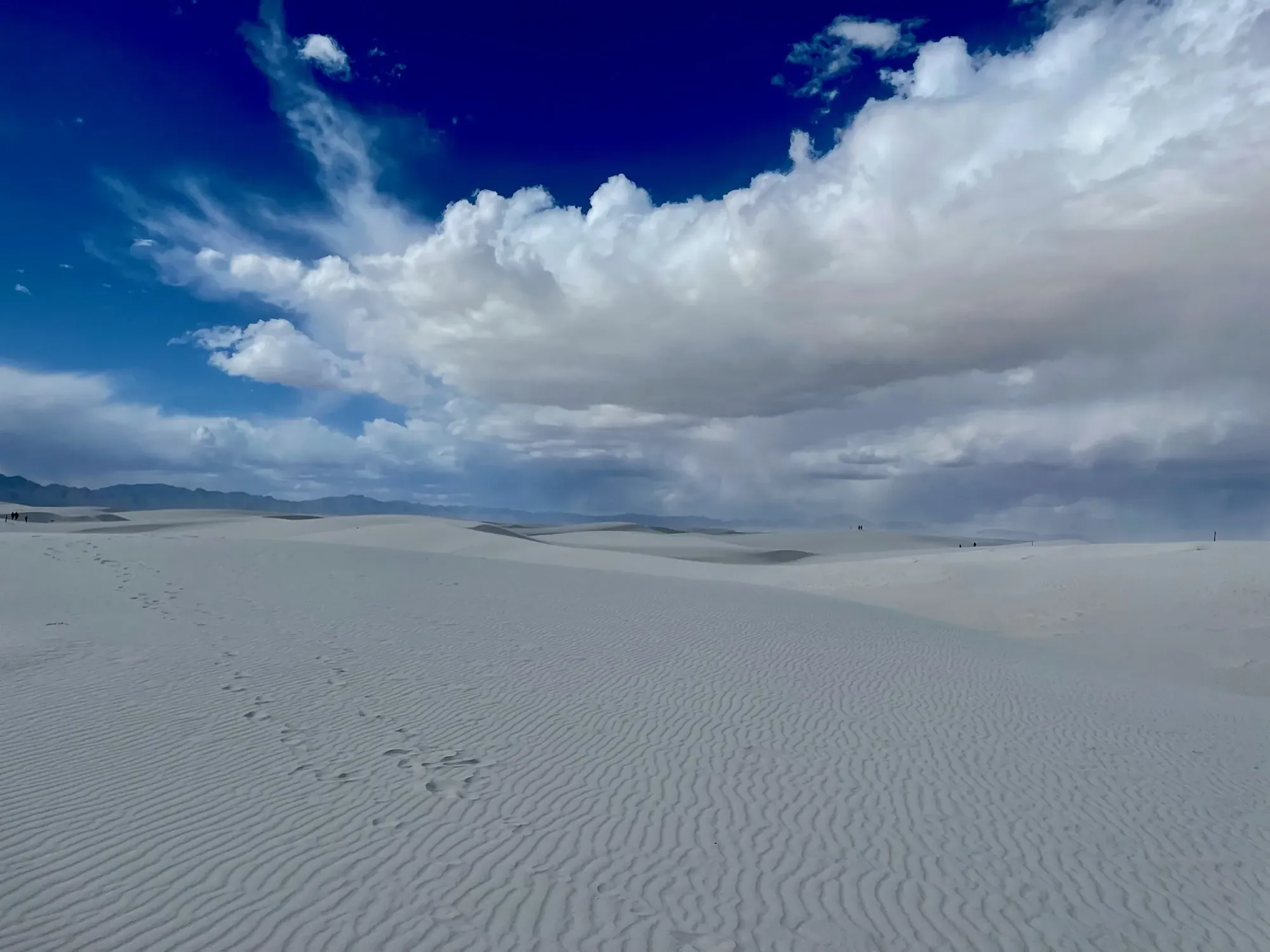
- White Sands Comfortable daytime temperatures favor exploring, but the busiest month and strong spring winds bring tradeoffs.
- Zion Spring arrives and shuttles start (March 7 in 2026); great hiking temps, but spring-break crowds almost triple February.
Fine in March (12)
Show the 12 parks that are fine in March
- Bryce Canyon Snow lingers and storms still hit, but the lodge reopens and spring visitors start arriving.
- Carlsbad Caverns Mild and windy with early blooms, but spring break makes it one of the two busiest months and bats are not flying yet.
- Gateway Arch Riverboats return and gardens start blooming, but the weather is changeable and spring-break crowds jump visitation.
- Great Smoky Mountains Spring starts low down with early wildflowers, but snow is still possible and Kuwohi Road stays closed until April.
- Guadalupe Mountains Great hiking temps but busiest month of the year and the windiest season; Pine Springs lots often fill.
- Haleakalā Wettest month at HQ and busy with spring break; March 2026 storms closed the park for about two weeks.
- Hawaiʻi Volcanoes Among the wettest months, with crowds easing. 2026 had a major storm and ash fallout closures.
- Mammoth Cave Campgrounds reopen March 1 and the first wildflowers appear, but weather is chilly and spring break fills tours.
- New River Gorge Milder afternoons and light crowds help, but snow, muddy trails, and cold nights remain possible.
- Redwood Whale migration and spring flowers add appeal, although frequent rain still limits access.
- Wind Cave Days warm and tours stay limited, but spring snowstorms are common and the prairie is still brown.
- Yosemite Waterfalls build and crowds are still modest, but storms are frequent and the high country stays snowbound.
Parks to skip in March
Rated not ideal or avoid for March, usually for closed roads, snow, heat or storms.
- Badlands Not ideal Thaw brings mud, wind, and late snow; the campground reopens late in the month, but the lodge and programs are still closed.
- Black Canyon of the Gunnison Not ideal Mud and late snow, most roads still closed; raptor climbing closures start March 15.
- Crater Lake Not ideal Deepest snowpack of the year, around 9–10 ft; good for snowshoeing and skiing, but the lake is often hidden.
- Cuyahoga Valley Not ideal Muddy, gray thaw with lingering snow; some highlights (amphibians, maple sugaring, train season starts).
- Denali Not ideal Bright, snowy, and good for skiing and aurora, but still cold and limited to the first few road miles.
- Gates of the Arctic Not ideal Sun returns and dogsledders and skiers come out, but lows stay near -9°F. Only for experienced winter travelers.
- Grand Teton Not ideal Still deep winter in the valley with roads and facilities closed; first grizzlies stir late in the month.
- Great Basin Not ideal Wettest, snowiest month at the caves; high country closed, though valley days start to warm.
- Great Sand Dunes Not ideal Snowiest month, with strong afternoon winds. Sandhill cranes peak nearby in early March. Campground still closed.
- Indiana Dunes Not ideal Raw, muddy shoulder month with highs in the 40s; Maple Sugar Time at Chellberg Farm is the main draw.
- Kenai Fjords Not ideal Spring wildlife cruises start in Resurrection Bay for returning gray whales, but the road stays closed and it is still winter.
- Lassen Volcanic Not ideal Still full winter with about 35 in. of snowfall; snowshoe walks usually end mid-March, and road clearing may begin.
- Mesa Verde Not ideal Milder days and few people, but cliff dwellings, camping and lodging are all still closed and snow is common.
- Mount Rainier Not ideal Deepest snowpack and longer days for snowshoeing, but still winter access only with storms and gates.
- American Samoa Not ideal Still cyclone season with about 11 in of rain; hot and humid, though slightly less rain than January–February.
- Olympic Not ideal Spring begins in the lowlands, but substantial rain and lingering mountain snow still constrain itineraries.
- Rocky Mountain Not ideal Longer days help winter outings, but heavy spring snow and alpine road closures outweigh mild valley afternoons.
- Sequoia Not ideal Foothills flowers improve the visit, but Giant Forest still has substantial winter restrictions.
- Shenandoah Not ideal Early flowers and reopening services help, but freezing nights and late snow make plans unreliable.
- Theodore Roosevelt Not ideal Warmer afternoons help, but freezing nights, snow, and muddy trails keep conditions unreliable.
- Voyageurs Not ideal Early March can retain good winter recreation, but thawing ice and closing routes make the month unreliable.
- Yellowstone Not ideal The oversnow season ends in early to mid March and most interior roads close to everyone until mid-April.
- Acadia Avoid Cold, slushy mud season. The carriage roads usually close for the thaw and the cliff trails close for falcon nesting.
- Glacier Bay Avoid Still off-season with no services or boat access to the glaciers. Cold with late snow.
- Glacier Avoid Winter lingers and roads stay closed; the first bears start leaving their dens mid-month.
- Isle Royale Avoid Park closed to visitors until mid April.
- Katmai Avoid Still winter, with frozen lakes and no services. NPS logged essentially no visitors in 2024–2025.
- Kings Canyon Avoid Snowiest month at Grant Grove and the canyon is still closed; only worth it for snowshoeing among sequoias.
- Kobuk Valley Avoid Daylight returns fast but highs stay near 9F; ski-plane trips possible only for skilled winter campers.
- Lake Clark Avoid Longer days, but the lakes are still frozen and visitor services stay closed.
- North Cascades Avoid Early valley blooms arrive while the highway crossing and alpine hiking remain in winter conditions.
- Wrangell–St. Elias Avoid Long sunny days and good snow for skiing or snowmachining, but no park services and cold nights.
Scores and notes are our judgment, built from NPS pages, NOAA climate normals and NPS visitor counts; they are not official NPS data. Temperatures are typical daytime highs and nighttime lows. Seasons shift with snow, fire and storms: always check Is it open? and the park’s nps.gov page before you go.