
Compare these animals with other parks, month by month, in the national park Wildlife finder.
-
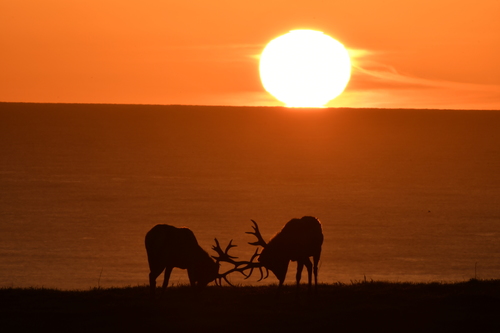
(c) Tom Kennedy, some rights reserved (CC BY) · iNaturalist Elk
Cervus canadensis
- Where
- Meadows and forest edges; alpine areas in summer.
- Time of day
- Dawn and dusk feeding
- Most often reported
- Sep, Dec–Mar (its biggest share of park sightings on iNaturalist)
- Stay back
- Stay at least 75 feet away
-
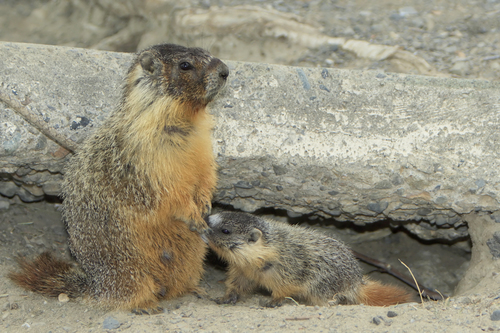
(c) Alan Vernon, some rights reserved (CC BY) · iNaturalist Yellow-bellied marmot
Marmota flaviventris
- Where
- Alpine tundra along Trail Ridge and Old Fall River roads.
- Most often reported
- May–Sep (its biggest share of park sightings on iNaturalist)
- Stay back
- Never feed wildlife; stay at least 75 feet away
-

(c) mikaelsoderberg, some rights reserved (CC BY) · iNaturalist Moose
Alces alces
- Most often reported
- Jan, Apr–May (its biggest share of park sightings on iNaturalist)
- Stay back
- Park-wide rule: 120 feet from moose and black bears.
-
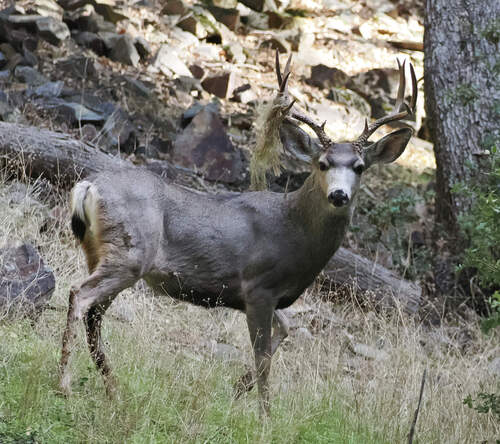
(c) Wendy McCrady, some rights reserved (CC BY), uploaded by Wendy McCrady · iNaturalist Mule deer
Odocoileus hemionus
- Where
- Lower-elevation meadows and forests.
- Most often reported
- Nov–Mar (its biggest share of park sightings on iNaturalist)
- Stay back
- Stay at least 75 feet away
-
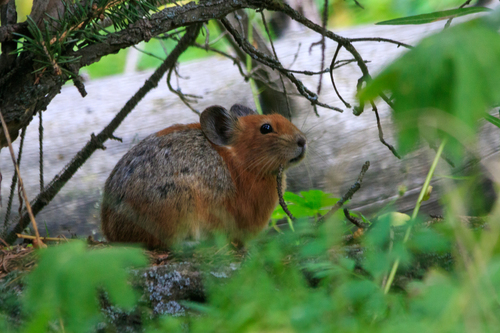
(c) Dmitry Boldyrev, some rights reserved (CC BY) · iNaturalist Pika
Ochotona
- Where
- High-elevation rock piles.
- Most often reported
- Aug–Oct (its biggest share of park sightings on iNaturalist)
- Stay back
- Stay at least 75 feet away
-

(c) Sally, some rights reserved (CC BY) · iNaturalist Clark’s nutcracker
Nucifraga columbiana
- Most often reported
- Jan–Apr, Aug, Oct (its biggest share of park sightings on iNaturalist)
-
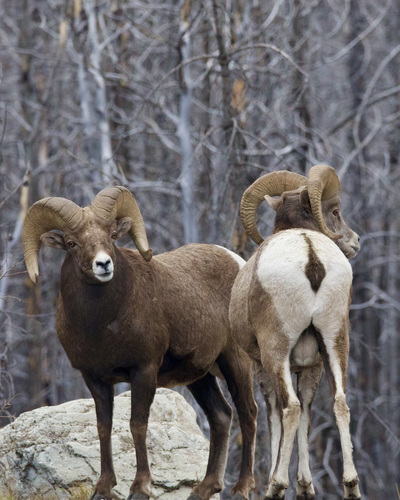
(c) John Krampl, some rights reserved (CC BY) · iNaturalist Bighorn sheep
Ovis canadensis
- Where
- Sheep Lakes.
- Best season
- May through mid-August
- Stay back
- Stay at least 75 feet away
-
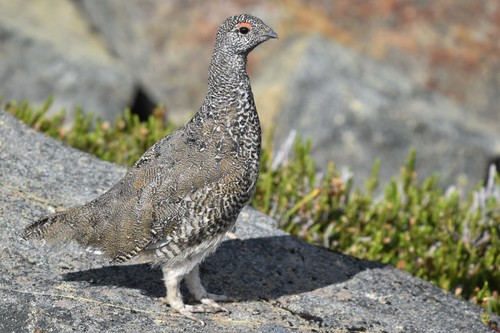
no rights reserved, uploaded by Braden J. Judson · iNaturalist White-tailed ptarmigan
Lagopus leucura
- Most often reported
- Oct–Nov (its biggest share of park sightings on iNaturalist)
-
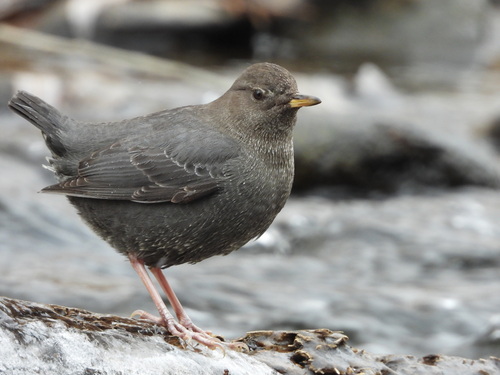
(c) Jared Shorma, some rights reserved (CC BY), uploaded by Jared Shorma · iNaturalist American dipper
Cinclus mexicanus
- Most often reported
- Oct–Dec (its biggest share of park sightings on iNaturalist)
-
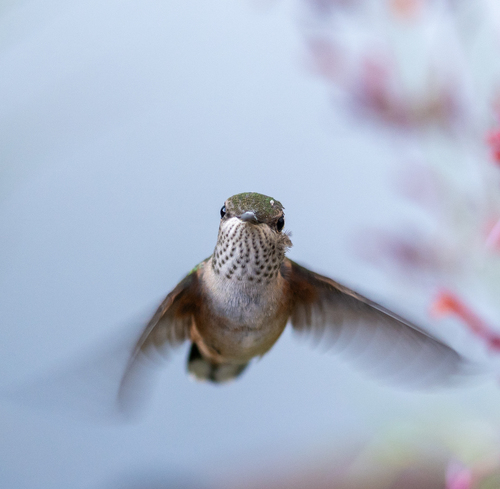
(c) Bob Walker, some rights reserved (CC BY) · iNaturalist Broad-tailed hummingbird
Selasphorus platycercus
- Most often reported
- May–Jun (its biggest share of park sightings on iNaturalist)
-

no rights reserved · iNaturalist Beaver
Castoridae
- Most often reported
- Oct (its biggest share of park sightings on iNaturalist)
-
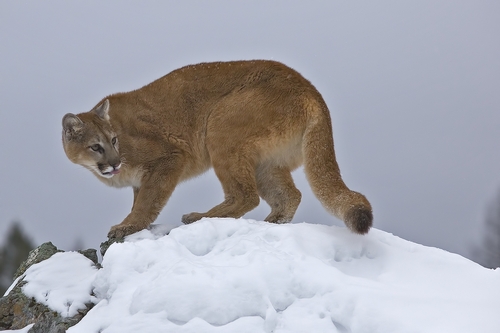
(c) Elaine R. Wilson, some rights reserved (CC BY-SA) · iNaturalist
Where, season and viewing rules come from the National Park Service pages linked on each animal. Where the NPS names a best season, we show that. Otherwise “Most often reported” gives the months when the animal makes up its largest share of iNaturalist research-grade sightings in the park (retrieved Nov 5, 2026). Animals that live here all year can show winter months there simply because fewer other animals are reported then; it is not a guarantee of a sighting. For live sightings and current alerts, use the Wildlife finder.
Planning a trip to see them? See camping in Rocky Mountain, or where to stay near Rocky Mountain. The Rocky Mountain guide has the itinerary, permits, and (where we have them) guided-tour options.
See wildlife with a guide
Affiliate link: we may earn a commission, at no extra cost to you. How this works