
Compare these animals with other parks, month by month, in the national park Wildlife finder.
-
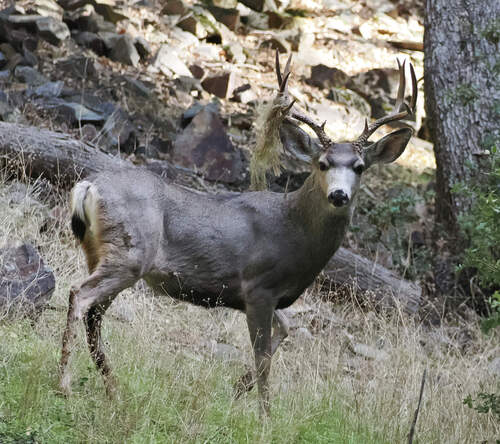
(c) Wendy McCrady, some rights reserved (CC BY), uploaded by Wendy McCrady · iNaturalist Mule deer
Odocoileus hemionus
- Most often reported
- Mar, Nov (its biggest share of park sightings on iNaturalist)
- Stay back
- Minimum 75 feet; never approach or feed.
-
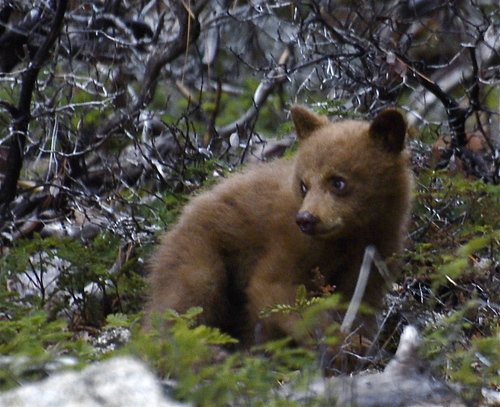
(c) Jay Pruett, some rights reserved (CC BY) · iNaturalist American black bear
Ursus americanus
- Best season
- Spring meadow forage; summer berries; fall acorns
- Stay back
- Minimum 150 feet; never approach or feed.
-
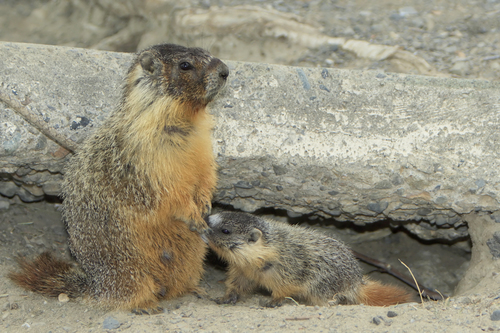
(c) Alan Vernon, some rights reserved (CC BY) · iNaturalist Yellow-bellied marmot
Marmota flaviventris
- Most often reported
- Jul–Aug (its biggest share of park sightings on iNaturalist)
- Stay back
- Minimum 75 feet; never approach or feed.
-

(c) Ken McMillan, some rights reserved (CC BY) · iNaturalist Douglas squirrel
Tamiasciurus douglasii
- Most often reported
- Mar–Apr, Sep–Nov (its biggest share of park sightings on iNaturalist)
- Stay back
- Minimum 75 feet; never approach or feed.
-
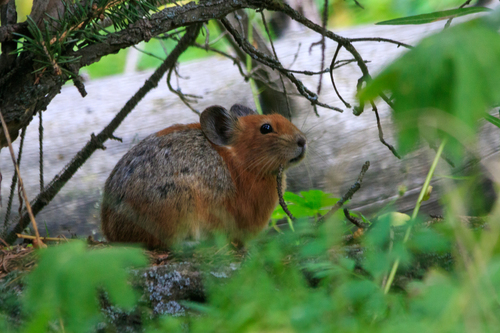
(c) Dmitry Boldyrev, some rights reserved (CC BY) · iNaturalist Pika
Ochotona
- Most often reported
- Aug–Sep (its biggest share of park sightings on iNaturalist)
- Stay back
- Minimum 75 feet; never approach or feed.
-
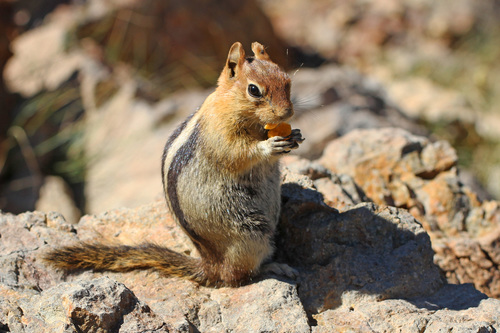
(c) Judy Gallagher, some rights reserved (CC BY-SA), uploaded by Judy Gallagher · iNaturalist Golden-mantled ground squirrel
Callospermophilus lateralis
- Most often reported
- Aug–Sep (its biggest share of park sightings on iNaturalist)
- Stay back
- Minimum 75 feet; never approach or feed.
-
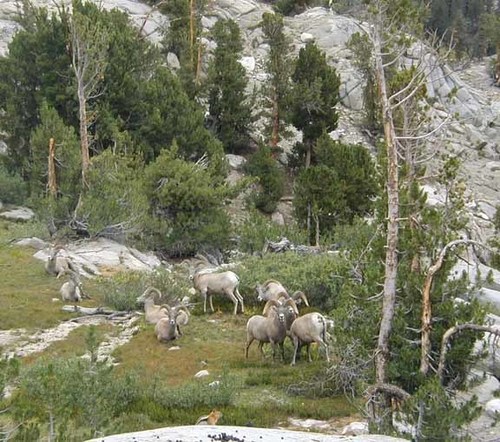
(c) gdurkee, some rights reserved (CC BY) · iNaturalist Sierra Nevada bighorn sheep
Ovis canadensis sierrae
- Most often reported
- Jul–Oct (its biggest share of park sightings on iNaturalist)
- Stay back
- Minimum 75 feet; never approach or feed.
-
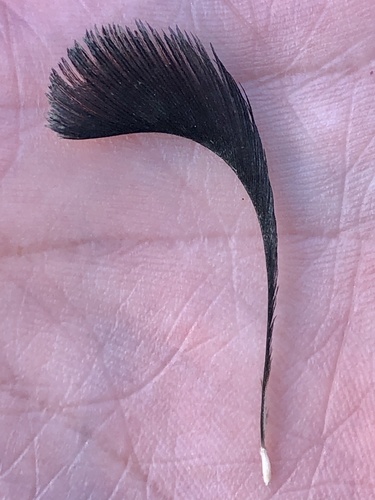
(c) Barry Langdon-Lassagne, some rights reserved (CC BY), uploaded by Barry Langdon-Lassagne · iNaturalist
Where, season and viewing rules come from the National Park Service pages linked on each animal. Where the NPS names a best season, we show that. Otherwise “Most often reported” gives the months when the animal makes up its largest share of iNaturalist research-grade sightings in the park (retrieved Nov 5, 2026). Animals that live here all year can show winter months there simply because fewer other animals are reported then; it is not a guarantee of a sighting. For live sightings and current alerts, use the Wildlife finder.
Planning a trip to see them? See camping in Kings Canyon, or where to stay near Kings Canyon. The Kings Canyon guide has the itinerary, permits, and (where we have them) guided-tour options.