
Compare these animals with other parks, month by month, in the national park Wildlife finder.
-
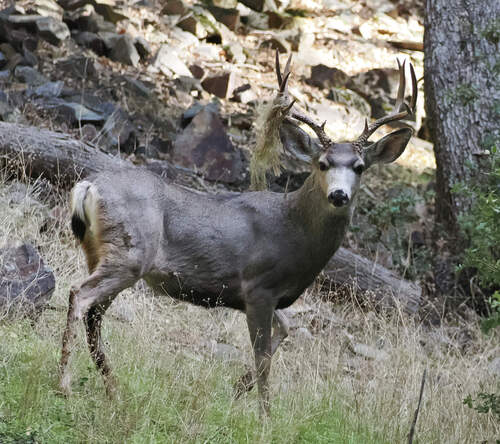
(c) Wendy McCrady, some rights reserved (CC BY), uploaded by Wendy McCrady · iNaturalist Mule deer
Odocoileus hemionus
- Where
- Montane meadows and woodlands near the campground, entrance station, and visitor center
- Most often reported
- Mar–May, Oct (its biggest share of park sightings on iNaturalist)
-
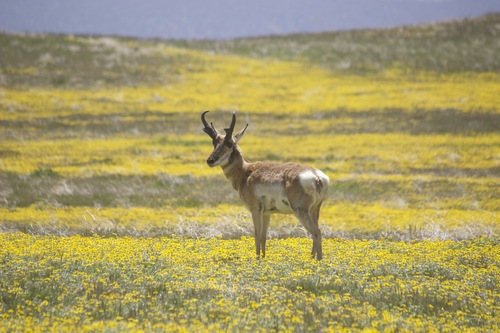
no rights reserved · iNaturalist Pronghorn
Antilocapra americana
- Where
- Open grasslands along the park entrance road
- Time of day
- Morning or evening
- Most often reported
- Jun, Sep (its biggest share of park sightings on iNaturalist)
-

no rights reserved, uploaded by Ellyne Geurts · iNaturalist Ord’s kangaroo rat
Dipodomys ordii
- Where
- Main dunefield; sometimes crossing the entrance road
- Best season
- Year-round
- Time of day
- After dark
-

(c) CK2AZ, some rights reserved (CC BY), uploaded by CK2AZ · iNaturalist Abert’s squirrel
Sciurus aberti
- Where
- Coniferous montane forests, especially ponderosa pine habitat
- Time of day
- Daylight hours
Where, season and viewing rules come from the National Park Service pages linked on each animal. Where the NPS names a best season, we show that. Otherwise “Most often reported” gives the months when the animal makes up its largest share of iNaturalist research-grade sightings in the park (retrieved Nov 5, 2026). Animals that live here all year can show winter months there simply because fewer other animals are reported then; it is not a guarantee of a sighting. For live sightings and current alerts, use the Wildlife finder.
Planning a trip to see them? See camping in Great Sand Dunes, or where to stay near Great Sand Dunes. The Great Sand Dunes guide has the itinerary, permits, and (where we have them) guided-tour options.
See wildlife with a guide
Affiliate link: we may earn a commission, at no extra cost to you. How this works