
Compare these animals with other parks, month by month, in the national park Wildlife finder.
-
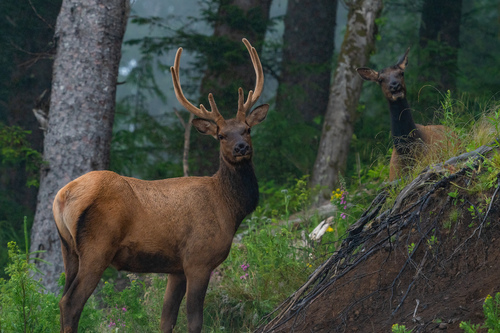
(c) Sam Eberhard, some rights reserved (CC BY) · iNaturalist Roosevelt elk
Cervus canadensis roosevelti
- Where
- Prairie Creek, Gold Bluffs Beach, Bald Hills Road, and the Orick area
- Best season
- Calves are born in May and June; rut occurs in fall.
- Stay back
- Observe elk from a safe distance. Elk are especially dangerous during spring calving and the fall rut.
-
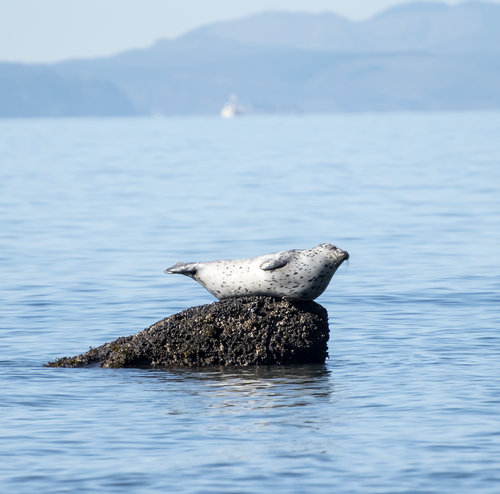
(c) David Badke, some rights reserved (CC BY-SA) · iNaturalist Harbor seal
Phoca vitulina
- Where
- Redwood Creek estuary, beaches, and offshore rocks
- Best season
- Pups are born in April and May.
-
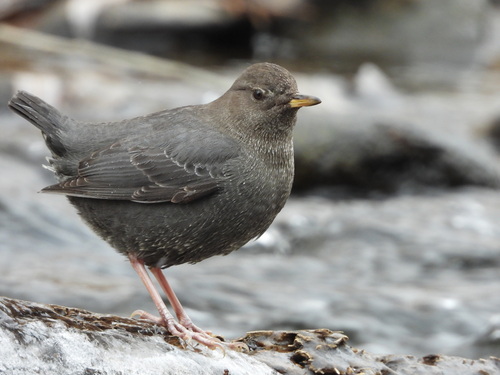
(c) Jared Shorma, some rights reserved (CC BY), uploaded by Jared Shorma · iNaturalist American dipper
Cinclus mexicanus
- Where
- Redwood Creek, Prairie Creek and Mill Creek Trails
- Most often reported
- Nov–Jan (its biggest share of park sightings on iNaturalist)
-

(c) Liam Steele, some rights reserved (CC BY), uploaded by Liam Steele · iNaturalist California sea lion
Zalophus californianus
- Most often reported
- Jun, Aug–Oct (its biggest share of park sightings on iNaturalist)
-

(c) Quinn, some rights reserved (CC BY), uploaded by Quinn · iNaturalist Coho salmon
Oncorhynchus kisutch
- Where
- Prairie Creek, viewed from bridges on the Karl Knapp Trail
- Best season
- Autumn spawning season
-
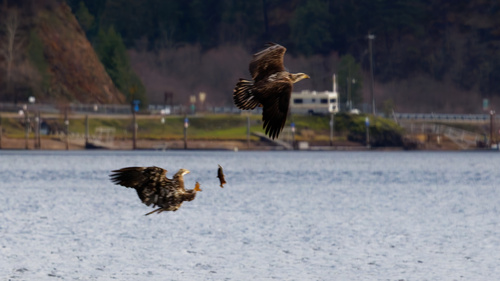
(c) Daughter Dad, some rights reserved (CC BY) · iNaturalist Bald eagle
Haliaeetus leucocephalus
- Where
- Estuaries, ponds and wetlands (Redwood Creek and Klamath River mouths, coastal lagoons)
- Most often reported
- Feb (its biggest share of park sightings on iNaturalist)
-
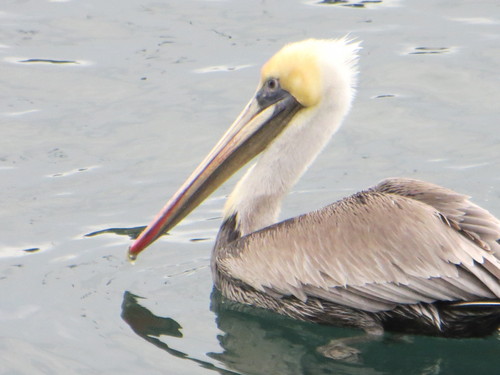
(c) Barbara Banfield, some rights reserved (CC BY), uploaded by Barbara Banfield · iNaturalist California brown pelican
Pelecanus occidentalis californicus
- Where
- Park beaches
- Most often reported
- Apr, Jul–Aug (its biggest share of park sightings on iNaturalist)
-
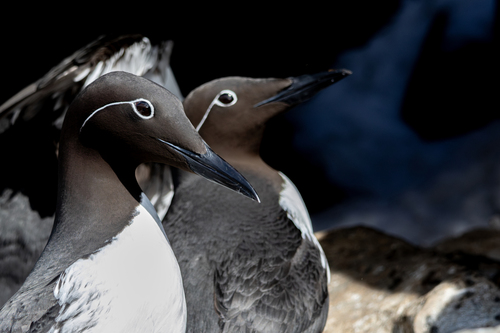
(c) Diego González Dopico, some rights reserved (CC BY), uploaded by Diego González Dopico · iNaturalist Common murre
Uria aalge
- Where
- Coastal cliffs and seamounts; view from US 101, Enderts Beach Rd, False Klamath Cove, Coastal Trail
- Most often reported
- Jun–Aug (its biggest share of park sightings on iNaturalist)
-
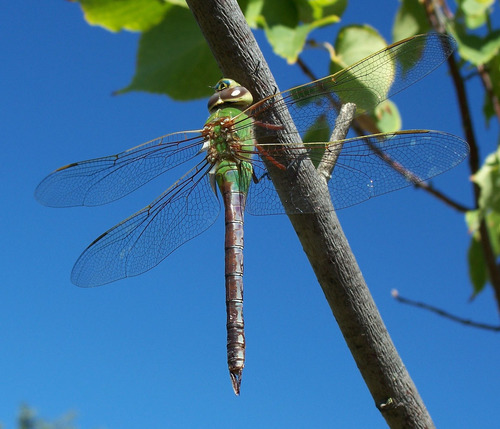
(c) Eugene Zelenko, some rights reserved (CC BY-SA) · iNaturalist Common green darner
Anax junius
- Most often reported
- Aug–Sep (its biggest share of park sightings on iNaturalist)
-

(c) Matt Muir, some rights reserved (CC BY), uploaded by Matt Muir · iNaturalist Marbled murrelet
Brachyramphus marmoratus
- Where
- Old-growth and second-growth conifer forest
- Time of day
- Before sunrise in summer
- Most often reported
- Dec (its biggest share of park sightings on iNaturalist)
-

(c) David Merrett, some rights reserved (CC BY) · iNaturalist Gray whale
Eschrichtius robustus
- Where
- Klamath River Overlook and other coastal overlooks
- Best season
- Peak migration Nov-Dec and Mar-Apr; resident population year-round at Klamath River Overlook
-
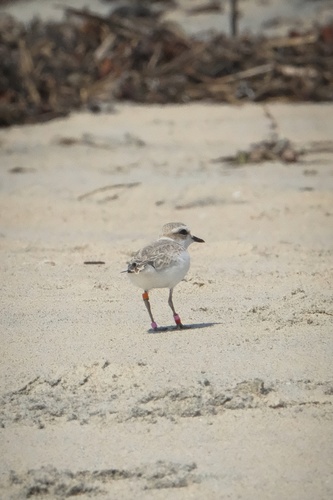
(c) Madeleine Claire, some rights reserved (CC BY) · iNaturalist Western snowy plover
Anarhynchus nivosus nivosus
- Where
- Park beaches (Gold Bluffs Beach, Crescent Beach, Klamath Spit, etc.)
Where, season and viewing rules come from the National Park Service pages linked on each animal. Where the NPS names a best season, we show that. Otherwise “Most often reported” gives the months when the animal makes up its largest share of iNaturalist research-grade sightings in the park (retrieved Nov 5, 2026). Animals that live here all year can show winter months there simply because fewer other animals are reported then; it is not a guarantee of a sighting. For live sightings and current alerts, use the Wildlife finder.
Planning a trip to see them? See camping in Redwood, or where to stay near Redwood. The Redwood guide has the itinerary, permits, and (where we have them) guided-tour options.
See wildlife with a guide
Affiliate link: we may earn a commission, at no extra cost to you. How this works