
Compare these animals with other parks, month by month, in the national park Wildlife finder.
-
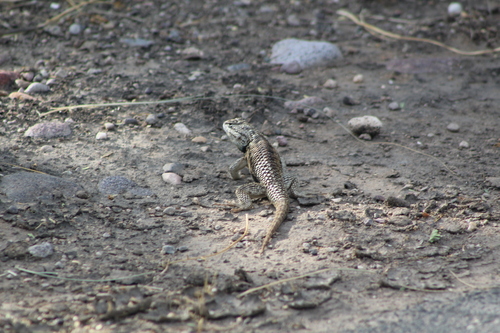
(c) Eliseo D Moreno, some rights reserved (CC BY-SA) · iNaturalist Desert spiny lizard
Sceloporus magister
- Most often reported
- May–Aug (its biggest share of park sightings on iNaturalist)
-
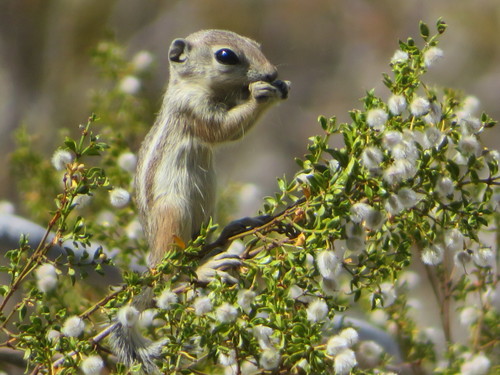
(c) kclarksdnhmorg, some rights reserved (CC BY) · iNaturalist White-tailed antelope squirrel
Ammospermophilus leucurus
- Where
- Parkwide
- Most often reported
- Jun–Aug, Oct–Nov (its biggest share of park sightings on iNaturalist)
-

(c) Annika Lindqvist, some rights reserved (CC BY), uploaded by Annika Lindqvist · iNaturalist -
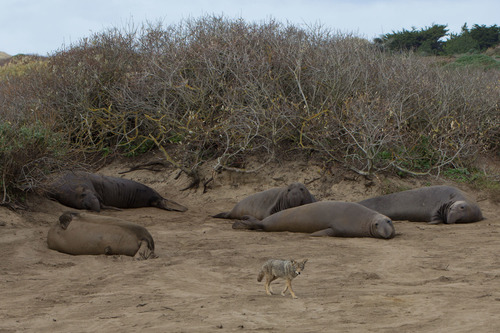
(c) avocat, some rights reserved (CC BY) · iNaturalist Coyote
Canis latrans
- Where
- Parkwide
- Most often reported
- Jan, Jun–Jul, Nov (its biggest share of park sightings on iNaturalist)
-
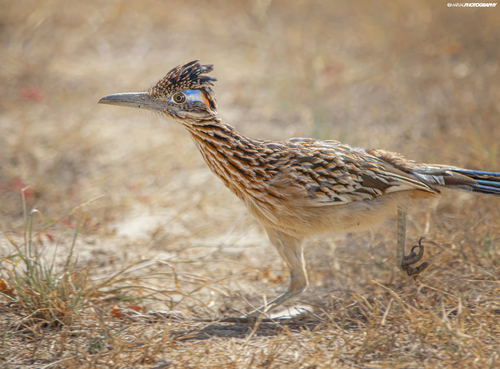
(c) MarvalPhotography19, some rights reserved (CC BY), uploaded by MarvalPhotography19 · iNaturalist -

(c) Pacific Southwest Region USFWS, some rights reserved (CC BY) · iNaturalist -
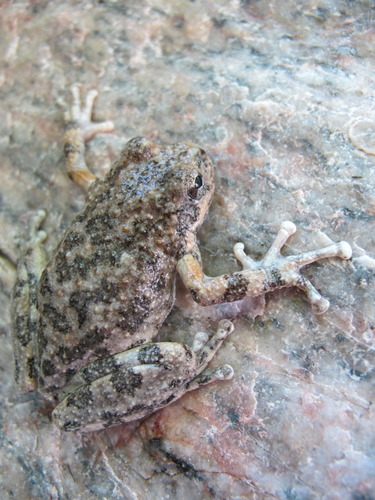
(c) Traci Locke, some rights reserved (CC BY), uploaded by Traci Locke · iNaturalist California tree frog
Pseudacris cadaverina
- Best season
- Spring after winter rains; summer after monsoonal storms
-

(c) Lake Mead NRA Public Affairs, some rights reserved (CC BY-SA) · iNaturalist Desert bighorn sheep
Ovis canadensis nelsoni
- Where
- Rocky mountains and sometimes near water sources such as Barker Dam
- Time of day
- Early morning and evening
- Most often reported
- Aug (its biggest share of park sightings on iNaturalist)
- Stay back
- Give bighorn sheep plenty of distance and observe from afar.
-

(c) ayden, some rights reserved (CC BY) · iNaturalist Bobcat
Lynx rufus
- Where
- Rocky canyons and outcrops
- Most often reported
- Dec (its biggest share of park sightings on iNaturalist)
-
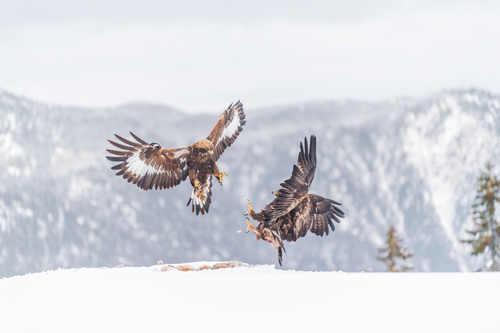
(c) Morten Ross, some rights reserved (CC BY) · iNaturalist -
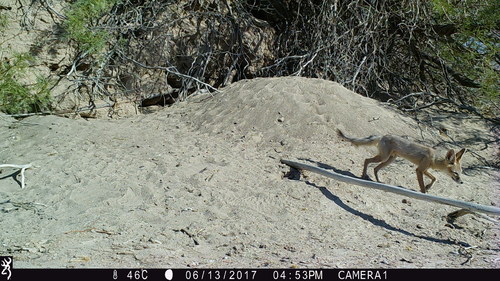
(c) Danny Mccamish, some rights reserved (CC BY) · iNaturalist -
Migrating waterfowl
- Where
- Aquatic areas of Barker Dam and the Desert Queen Ranch
- Best season
- Migration (winter months when migrants abound)
Where, season and viewing rules come from the National Park Service pages linked on each animal. Where the NPS names a best season, we show that. Otherwise “Most often reported” gives the months when the animal makes up its largest share of iNaturalist research-grade sightings in the park (retrieved Nov 5, 2026). Animals that live here all year can show winter months there simply because fewer other animals are reported then; it is not a guarantee of a sighting. For live sightings and current alerts, use the Wildlife finder.
Planning a trip to see them? See camping in Joshua Tree, or where to stay near Joshua Tree. The Joshua Tree guide has the itinerary, permits, and (where we have them) guided-tour options.
See wildlife with a guide
Affiliate link: we may earn a commission, at no extra cost to you. How this works
Affiliate link: we may earn a commission, at no extra cost to you. How this works