
Compare these animals with other parks, month by month, in the national park Wildlife finder.
-
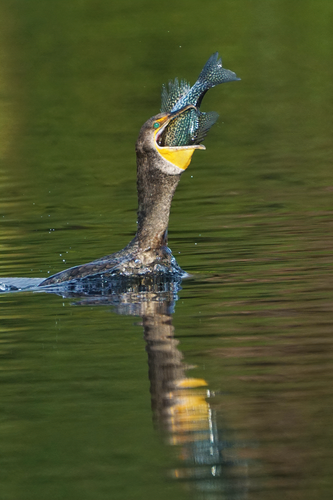
(c) Eridan Xharahi, some rights reserved (CC BY), uploaded by Eridan Xharahi · iNaturalist Double-crested cormorants
Nannopterum auritum
- Where
- Bird sanctuary at the end of the Convoy Point jetty.
- Best season
- Especially winter
-

(c) Charles J. Sharp , some rights reserved (CC BY-SA) · iNaturalist Yellow-crowned night herons
Nyctanassa violacea
- Where
- Along the main park road.
- Most often reported
- Aug–Sep, Dec–Mar (its biggest share of park sightings on iNaturalist)
-

(c) unnormalized, some rights reserved (CC BY-SA) · iNaturalist White ibis
Eudocimus albus
- Where
- Over Convoy Point, traveling to and from island roosts to the south.
- Time of day
- Mornings and evenings
- Most often reported
- Jun, Sep–Feb (its biggest share of park sightings on iNaturalist)
-
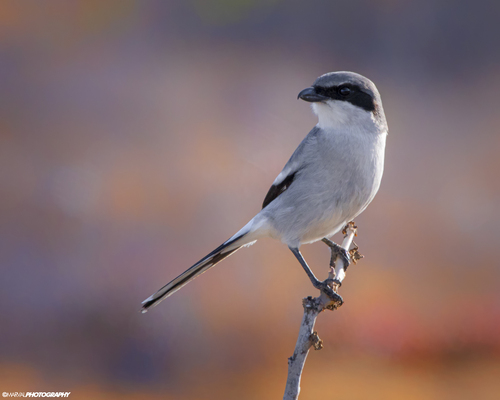
(c) MarvalPhotography19, some rights reserved (CC BY), uploaded by MarvalPhotography19 · iNaturalist Loggerhead shrikes and northern mockingbirds
Lanius ludovicianus
- Where
- Convoy Point
- Best season
- Year-round residents
Where, season and viewing rules come from the National Park Service pages linked on each animal. Where the NPS names a best season, we show that. Otherwise “Most often reported” gives the months when the animal makes up its largest share of iNaturalist research-grade sightings in the park (retrieved Nov 5, 2026). Animals that live here all year can show winter months there simply because fewer other animals are reported then; it is not a guarantee of a sighting. For live sightings and current alerts, use the Wildlife finder.
Planning a trip to see them? See camping in Biscayne, or where to stay near Biscayne. The Biscayne guide has the itinerary, permits, and (where we have them) guided-tour options.
See wildlife with a guide
Affiliate link: we may earn a commission, at no extra cost to you. How this works