
Where to look
- Lamar Valley: bison, black bear, pronghorn, grizzly bear, gray wolf, mule deer, bighorn sheep
- Hayden Valley: bison, elk, black bear, grizzly bear, gray wolf
- Mammoth Hot Springs: elk, black bear, mule deer
- North Entrance: pronghorn, bighorn sheep
Grouped from the National Park Service “where” notes for each animal below.
Compare these animals with other parks, month by month, in the national park Wildlife finder.
-
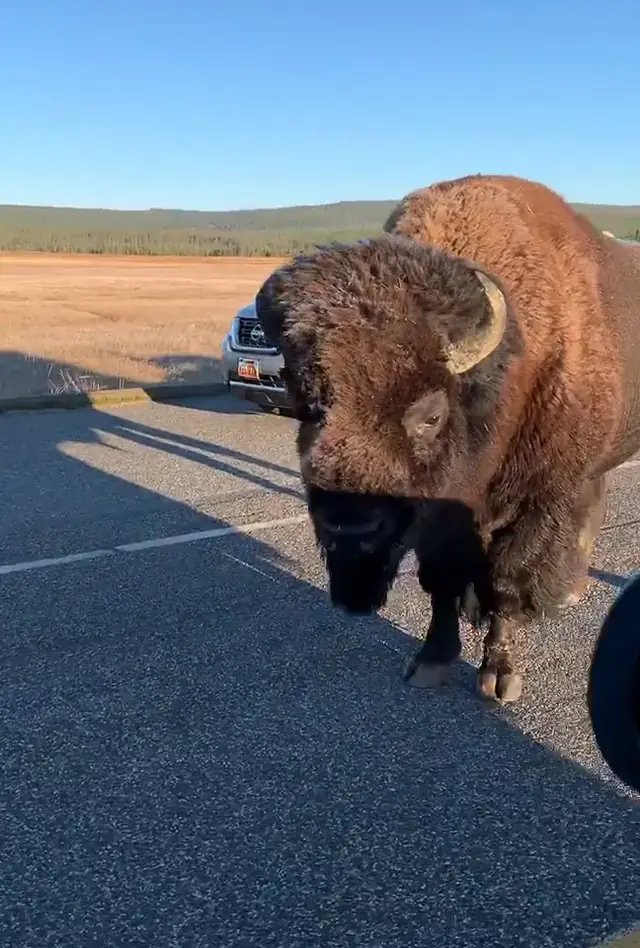
Photo: David & Keri New Bison
Bos bison
- Where
- Lamar Valley; Hayden Valley
- Best season
- Summer in Lamar Valley
- Stay back
- Minimum 25 yards; do not approach or feed.
-
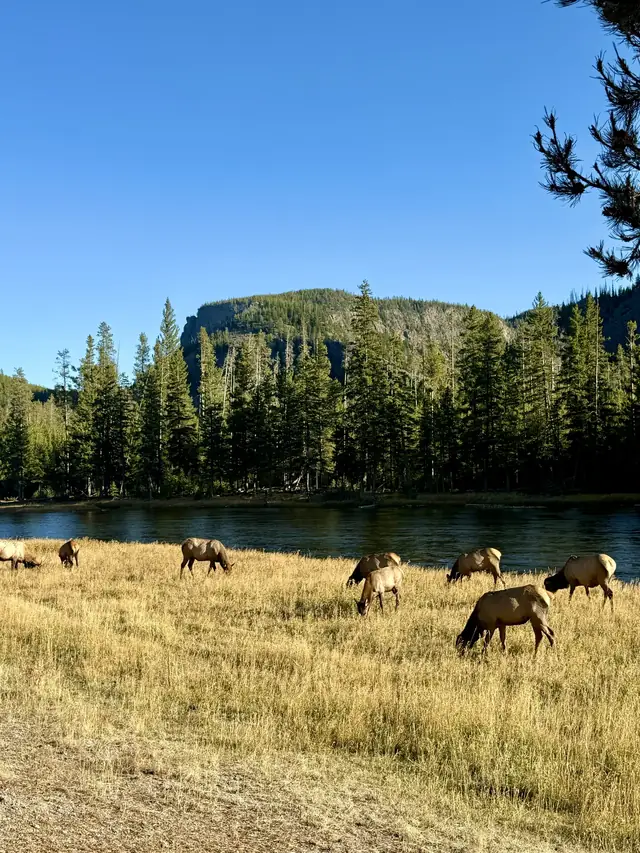
Photo: David & Keri New Elk
Cervus canadensis
- Where
- Hayden Valley; Mammoth Hot Springs; Madison
- Most often reported
- Mar, Oct–Dec (its biggest share of park sightings on iNaturalist)
- Stay back
- Minimum 25 yards; do not approach or feed.
-
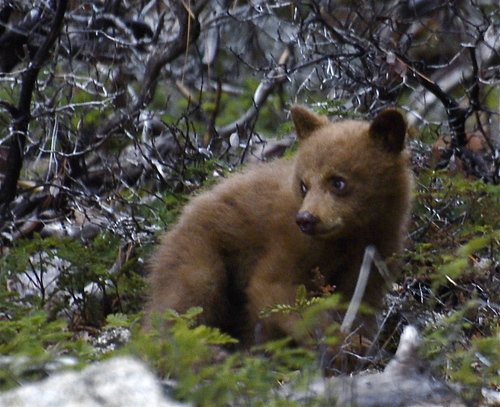
(c) Jay Pruett, some rights reserved (CC BY) · iNaturalist Black bear
Ursus americanus
- Where
- Hayden Valley; Lamar Valley; Mammoth Hot Springs
- Most often reported
- May–Jun (its biggest share of park sightings on iNaturalist)
- Stay back
- Minimum 100 yards; watch from in or beside your vehicle.
-
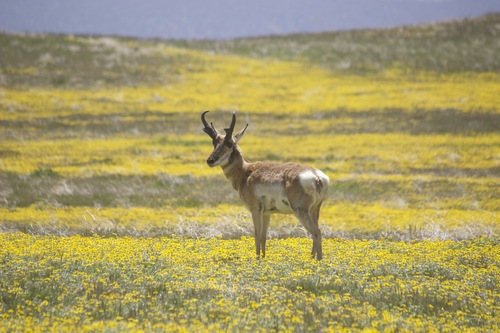
no rights reserved · iNaturalist Pronghorn
Antilocapra americana
- Where
- Lamar Valley; North Entrance
- Most often reported
- Nov (its biggest share of park sightings on iNaturalist)
- Stay back
- Minimum 25 yards; do not approach or feed.
-
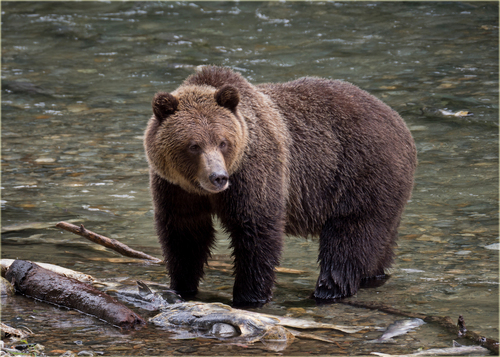
(c) marneejill, some rights reserved (CC BY-SA) · iNaturalist Grizzly bear
Ursus arctos horribilis
- Where
- Fishing Bridge; Hayden Valley; Lamar Valley
- Most often reported
- May, Oct (its biggest share of park sightings on iNaturalist)
- Stay back
- Minimum 100 yards; watch from in or beside your vehicle.
-
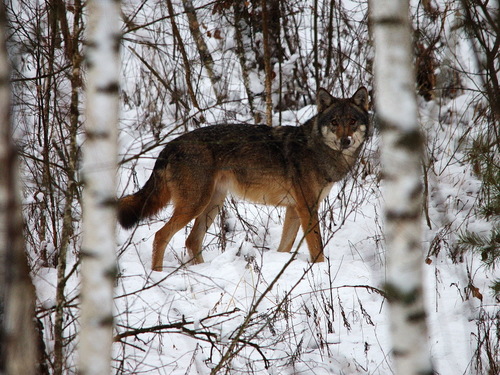
(c) Andrew Simon, some rights reserved (CC BY) · iNaturalist Gray wolf
Canis lupus
- Where
- Lamar Valley; Hayden Valley
- Most often reported
- Nov–Mar (its biggest share of park sightings on iNaturalist)
- Stay back
- Minimum 100 yards; do not approach or feed.
-
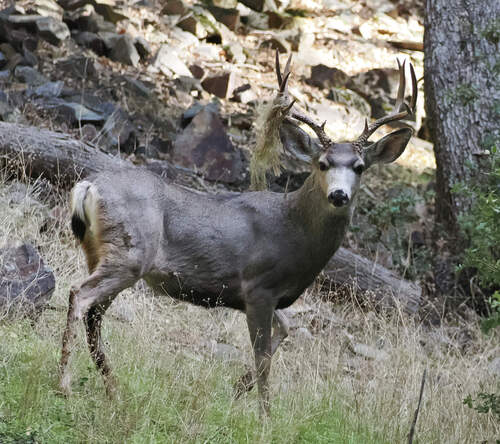
(c) Wendy McCrady, some rights reserved (CC BY), uploaded by Wendy McCrady · iNaturalist Mule deer
Odocoileus hemionus
- Where
- Lamar Valley; Mammoth Hot Springs
- Most often reported
- Mar (its biggest share of park sightings on iNaturalist)
- Stay back
- Minimum 25 yards; do not approach or feed.
-
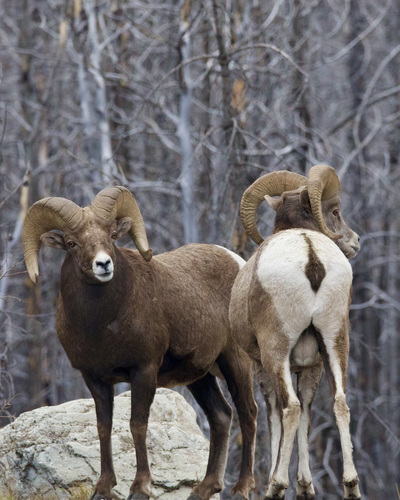
(c) John Krampl, some rights reserved (CC BY) · iNaturalist Bighorn sheep
Ovis canadensis
- Where
- Lamar Valley; North Entrance
- Most often reported
- Dec–Mar (its biggest share of park sightings on iNaturalist)
- Stay back
- Minimum 25 yards; do not approach or feed.
-

(c) mikaelsoderberg, some rights reserved (CC BY) · iNaturalist Moose
Alces alces
- Where
- Northeast Entrance; South Entrance; West Thumb
- Most often reported
- Dec–Mar (its biggest share of park sightings on iNaturalist)
- Stay back
- Minimum 25 yards; do not approach or feed.
Where, season and viewing rules come from the National Park Service pages linked on each animal. Where the NPS names a best season, we show that. Otherwise “Most often reported” gives the months when the animal makes up its largest share of iNaturalist research-grade sightings in the park (retrieved Nov 5, 2026). Animals that live here all year can show winter months there simply because fewer other animals are reported then; it is not a guarantee of a sighting. For live sightings and current alerts, use the Wildlife finder.
Planning a trip to see them? See camping in Yellowstone, or where to stay near Yellowstone. The Yellowstone guide has the itinerary, permits, and (where we have them) guided-tour options.
See wildlife with a guide
Affiliate link: we may earn a commission, at no extra cost to you. How this works
Affiliate link: we may earn a commission, at no extra cost to you. How this works