Best for wolves & year-round access
Lamar Valley (Northeast Corridor)
Choose this if: Wildlife is your top priority, you bring binoculars or a spotting scope for early morning and evening, or you visit in winter when only the northern road is open to cars.
Skip if: You have a single geyser-focused day from West Yellowstone; NPS segment times put Tower Junction about 145 minutes from the West Entrance each way.
Best central Grand Loop fit
Hayden Valley (Canyon to Yellowstone Lake)
Choose this if: You are already connecting Canyon Village, Mud Volcano, and Yellowstone Lake between May and October and want bison herds, grizzlies, and river birdlife right on your route.
Skip if: The road south of Canyon is closed to regular cars for winter (early November to early May) or you want quieter pullouts away from midday Grand Loop traffic.
Right now
Go with caveats. This is from the last saved check, so confirm current conditions before you go.
- Most Park Roads Closed to All Vehicles Source
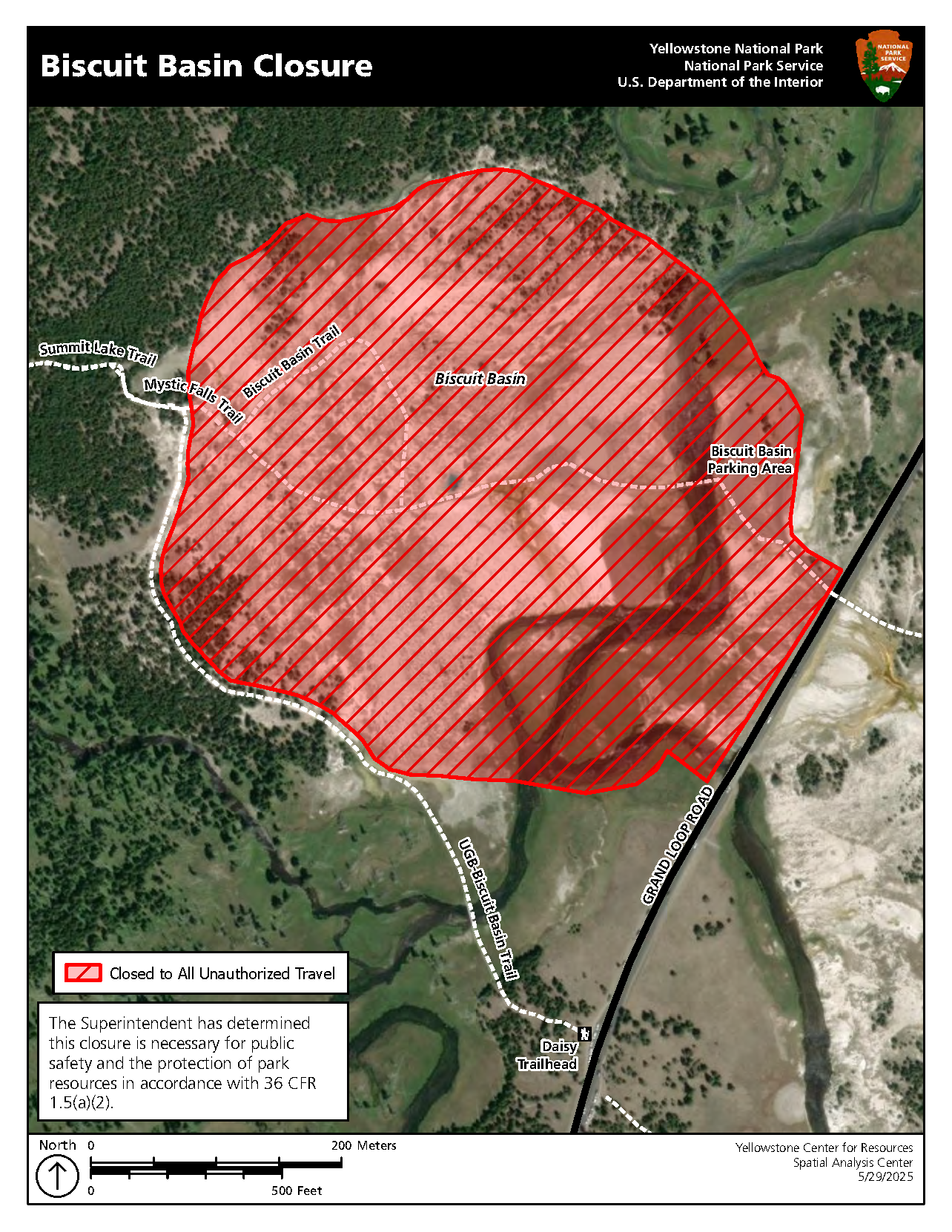
- Biscuit Basin Closed Due to Hydrothermal Explosion Source
- Winter Storm Watch Source
Updated Nov 26, 6:07 AM ET (NPS alerts, National Weather Service, AirNow and NIFC).
Weather alerts: Winter Storm Watch. National Weather Service, Nov 26, 6:07 AM ET.
Wildfires within 80 km: 0. NIFC, Nov 26, 6:07 AM ET. A nearby fire doesn’t by itself mean anything in the park is closed.
Air quality: 35 AQI. AirNow, Nov 26, 5:00 AM ET. Preliminary data, subject to change.
Not covered by this check: Road status (unlisted roads unknown); current crowds. Check NPS conditions.
When to avoid crowds
These tips are based on typical patterns.
- NPS’s 2018 monitoring report describes early parking saturation and roadside parking. NPS timing source
- NPS recommends avoiding peak hours, 10 am–4 pm, and entering before 7 am or after noon. NPS timing source
Verified trail figures from NPS records
-
Mount Washburn from Dunraven Pass No day-hike permit
-
Storm Point Trail No day-hike permit
Lamar Valley vs. Hayden Valley side by side
| Factor | Lamar Valley | Hayden Valley |
|---|---|---|
| Road corridor · Source | Northeast Entrance Road between Tower Junction and the Northeast Entrance (NPS average 60 min). | Grand Loop Road between Canyon Village and Lake Village (NPS average 35 min). |
| NPS-listed species · Source | Bison, wolves, grizzly & black bears, pronghorn, bighorn sheep, elk, mule deer. | Bison, wolves, grizzly & black bears, elk, coyotes, foxes, white pelicans, eagles & sandhill cranes. |
| Car season · Source | Open all year from Gardiner (North Entrance) through Mammoth & Tower to Cooke City, weather permitting. | Regular cars from early May to Oct. 31 (May 7 on the 2027 schedule); snowmobile and snowcoach only mid-Dec. to mid-March. |
| Pullouts & parking · Source | Many viewing areas with wayside exhibits, some with accessible parking. | No designated parking, but large pullouts. |
| Restrooms · Source | Accessible vault toilets at Lamar River stock trailhead and Soda Butte Creek & Warm Creek picnic areas (none at Buffalo Ranch). | None inside the valley; nearest accessible restrooms at Canyon Village (north) & Mud Volcano (south). |
| To Canyon Rims · Source | 50–60 min Tower–Canyon over Dunraven Pass (open late May to about mid-October); about 115 min via Mammoth and Norris when it is closed. | Close: Hayden Valley begins about 5 mi south of Canyon Junction, and South Rim Drive starts 2.3 mi south of the junction. |
Morning and evening timing, the August rut and spring bears
NPS says early morning and evening are when animals tend to be feeding and are easiest to see, and it names 10 a.m. to 4 p.m. as peak hours at the main attractions. Reach your first pullout at first light, or come back in the evening, with binoculars or a spotting scope.
The mix shifts with the season. In spring and early summer, NPS notes grizzlies in Hayden Valley preying on newborn bison and elk calves. Bison mate in August, so expect big, noisy herds in both valleys. Lamar adds pronghorn on the grasslands and bighorn sheep on the cliffs around Tower, and the northern range is winter habitat for the elk and bison that feed several wolf packs. In Hayden, American white pelicans cruise the river, shorebirds work the mud flats at Alum Creek, and bald eagles, northern harriers, sandhill cranes, coyotes, and foxes are often seen.
Pullouts, RVs and restrooms
Use pullouts and get all four wheels completely off the road; don’t stop in the travel lane. NPS lists no designated parking in Hayden Valley but notes large pullouts, and the nearest accessible restrooms are at Mud Volcano to the south or the Canyon area to the north.
In Lamar Valley, NPS lists many viewing areas with wayside exhibits, some with accessible parking, and an accessible vault toilet at the Lamar River stock trailhead; the Soda Butte Creek and Warm Creek picnic areas also have accessible vault toilets. The historic Lamar Buffalo Ranch has no facilities open to the public. Slough Creek Campground takes rigs up to 30 feet, and NPS tells drivers to assess the road first. Overnight parking in pullouts is not allowed.
Seasonal roads and pairing both valleys with the Grand Canyon
Two seasonal roads shape the loop. The Canyon to Bridge Bay road through Hayden Valley usually opens to cars in early May, while Dunraven Pass (Canyon to Tower Fall), a high pass that gets more winter weather, opens near the end of May and can close by mid-October. While the pass is closed, the 50-to-60-minute drive from Canyon to Tower becomes about 1 hour 55 minutes via Norris and Mammoth by NPS segment times. Beartooth Highway east of Cooke City typically opens the Friday of Memorial Day weekend.
For 2027, NPS projects Canyon to Bridge Bay open May 7 to Oct. 31 and Dunraven Pass open May 28 to Oct. 11, weather permitting.
Once Dunraven Pass opens, you can pair the Grand Canyon of the Yellowstone (about 20 miles long and more than 1,000 feet deep) with both valleys in one day:
- First Light to 9:00 a.m. · Lamar Valley Dawn Sweep: Scan Lamar River and Soda Butte pullouts from Gardiner, Mammoth, or Roosevelt while wolves and bears are moving. Gardiner guide →
- 9:30 a.m. to 11:30 a.m. · Calcite Springs, Tower Fall & Dunraven Pass: Stop at Calcite Springs Overlook and 132-foot Tower Fall before crossing Dunraven Pass; hikers can add the 6-mile round-trip Mount Washburn trail from Dunraven Pass (NPS notes grizzlies frequent the area in fall for whitebark pine nuts, so hike in groups of three or more and carry bear spray). Mount Washburn guide →
- 12:00 p.m. to 4:00 p.m. · Canyon Village, North Rim & Artist Point: Spend midday at the canyon: walk the Brink of the Lower Falls trail above the 308-foot drop on North Rim Drive, then drive South Rim Drive to the 109-foot Upper Falls viewpoints and Artist Point. Yellowstone itineraries →
- 4:30 p.m. to Dusk · Hayden Valley & Mud Volcano: Drive south from Canyon Junction (Hayden Valley begins about five miles out) for evening bison, bears, and pelicans, adding Mud Volcano or the 2.3-mile Storm Point loop (check NPS bear closure advice first). Storm Point guide →
Common planning questions
If I only have time for one, should I pick Lamar Valley or Hayden Valley?
Pick Lamar Valley if wolves, pronghorn, bighorn sheep, and big bison herds are your main goal, or if you visit in winter when only the northern road is open to cars. Pick Hayden Valley if you are driving the Grand Loop between Canyon Village and Yellowstone Lake from May through October and want bison, bears, and river birds without a detour.
What time of day is best for Lamar Valley and Hayden Valley?
Early morning and evening. NPS says those are the hours when animals tend to be feeding and are easiest to see.
Is Lamar Valley open to regular cars in winter?
Yes. The road from the North Entrance at Gardiner through Mammoth Hot Springs, Tower Junction, and Lamar Valley to Cooke City near the Northeast Entrance is the only Yellowstone road open to regular passenger cars year-round, weather permitting. Beartooth Highway east of Cooke City closes for winter.