
Where to look
- Tuxedni Bay: dunlin, western sandpiper
- Chinitna Bay: dunlin, western sandpiper
Grouped from the National Park Service “where” notes for each animal below.
Compare these animals with other parks, month by month, in the national park Wildlife finder.
-

(c) Nathan Ruser, some rights reserved (CC BY), uploaded by Nathan Ruser · iNaturalist Brown bear
Ursus arctos
- Where
- Silver Salmon Creek
- Best season
- Late spring–midsummer grazing; late summer salmon fishing
-

(c) mikaelsoderberg, some rights reserved (CC BY) · iNaturalist Moose
Alces alces
- Most often reported
- Jul (its biggest share of park sightings on iNaturalist)
- Stay back
- Stay at least 25 yards away; never get between a cow and calf.
-
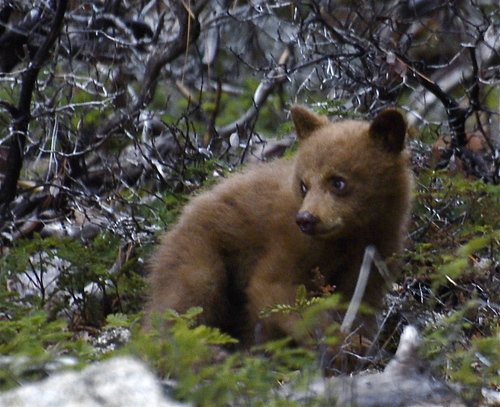
(c) Jay Pruett, some rights reserved (CC BY) · iNaturalist -
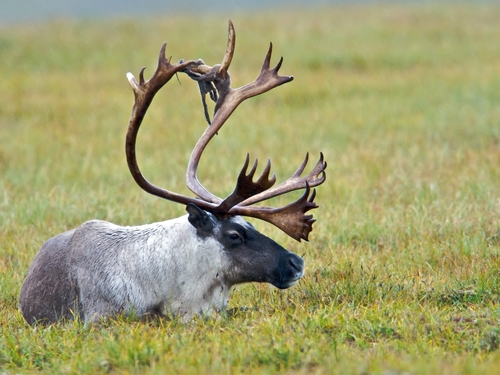
(c) Bering Land Bridge National Preserve, some rights reserved (CC BY) · iNaturalist -

(c) Forest Service Alaska Region, USDA, some rights reserved (CC BY) · iNaturalist -

(c) Cole Wolf, some rights reserved (CC BY), uploaded by Cole Wolf · iNaturalist -
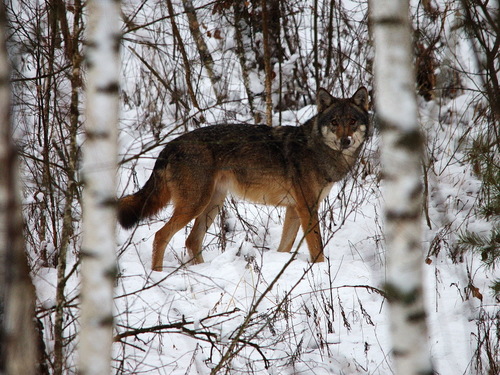
(c) Andrew Simon, some rights reserved (CC BY) · iNaturalist -
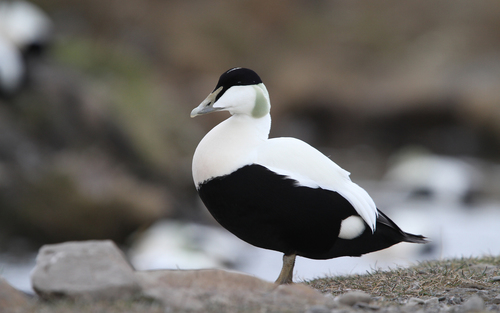
(c) Christoph Moning, some rights reserved (CC BY), uploaded by Christoph Moning · iNaturalist -
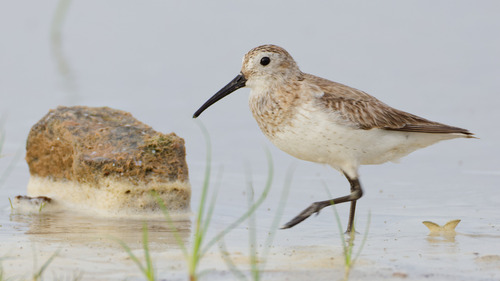
(c) Brent Cox, some rights reserved (CC BY) · iNaturalist -
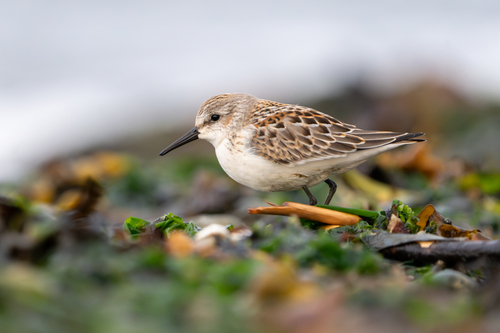
(c) Pete Lypkie, some rights reserved (CC BY) · iNaturalist
Where, season and viewing rules come from the National Park Service pages linked on each animal. Where the NPS names a best season, we show that. Otherwise “Most often reported” gives the months when the animal makes up its largest share of iNaturalist research-grade sightings in the park (retrieved Nov 5, 2026). Animals that live here all year can show winter months there simply because fewer other animals are reported then; it is not a guarantee of a sighting. For live sightings and current alerts, use the Wildlife finder.
Planning a trip to see them? See camping in Lake Clark, or where to stay near Lake Clark. The Lake Clark guide has the itinerary, permits, and (where we have them) guided-tour options.
See wildlife with a guide
Affiliate link: we may earn a commission, at no extra cost to you. How this works