
Compare these animals with other parks, month by month, in the national park Wildlife finder.
-
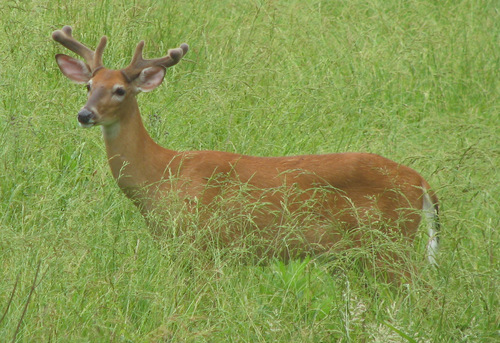
(c) James St. John, some rights reserved (CC BY) · iNaturalist White-tailed deer
Odocoileus virginianus
- Where
- Open trail areas within the park’s forest.
- Best season
- Winter foliage loss improves wildlife visibility.
- Time of day
- Early morning and evening.
-

(c) Laura Mae, some rights reserved (CC BY), uploaded by Laura Mae · iNaturalist Groundhog
Marmota monax
- Most often reported
- Jul, Oct (its biggest share of park sightings on iNaturalist)
-
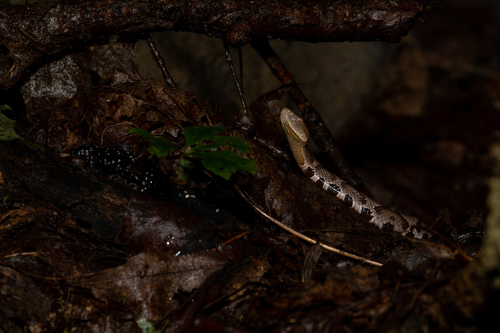
(c) Court Harding, some rights reserved (CC BY) · iNaturalist -
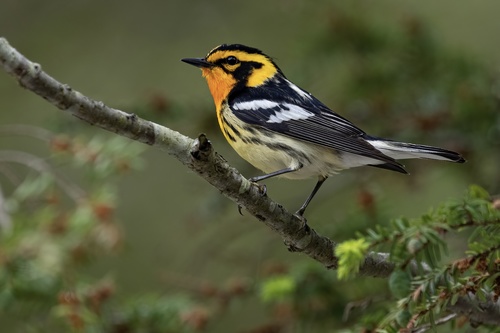
(c) Matt Felperin, some rights reserved (CC BY), uploaded by Matt Felperin · iNaturalist Songbirds and raptors
Passeriformes
- Where
- Grand Promenade and West Mountain trails
- Best season
- Year-round; species change with spring and fall migration.
- Time of day
- Early morning on West Mountain trails.
Where, season and viewing rules come from the National Park Service pages linked on each animal. Where the NPS names a best season, we show that. Otherwise “Most often reported” gives the months when the animal makes up its largest share of iNaturalist research-grade sightings in the park (retrieved Nov 5, 2026). Animals that live here all year can show winter months there simply because fewer other animals are reported then; it is not a guarantee of a sighting. For live sightings and current alerts, use the Wildlife finder.
Planning a trip to see them? See camping in Hot Springs, or where to stay near Hot Springs. The Hot Springs guide has the itinerary, permits, and (where we have them) guided-tour options.
See wildlife with a guide
Affiliate link: we may earn a commission, at no extra cost to you. How this works