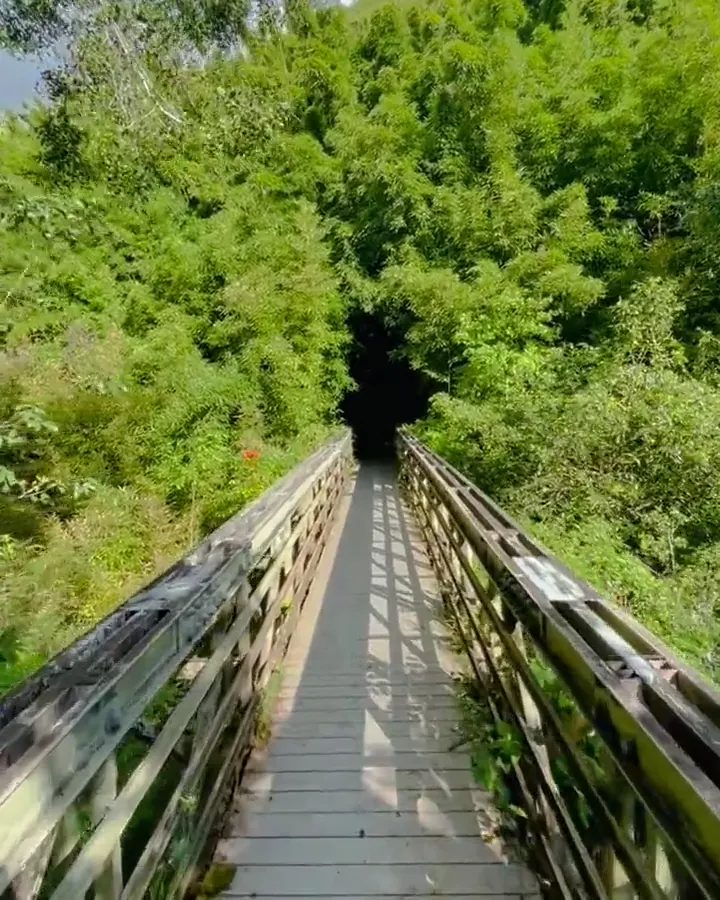
Pīpīwai Trail to the Bamboo Forest
Turn around at the bamboo forest on the Pīpīwai Trail. Going on to Waimoku Falls is a different, longer hike.
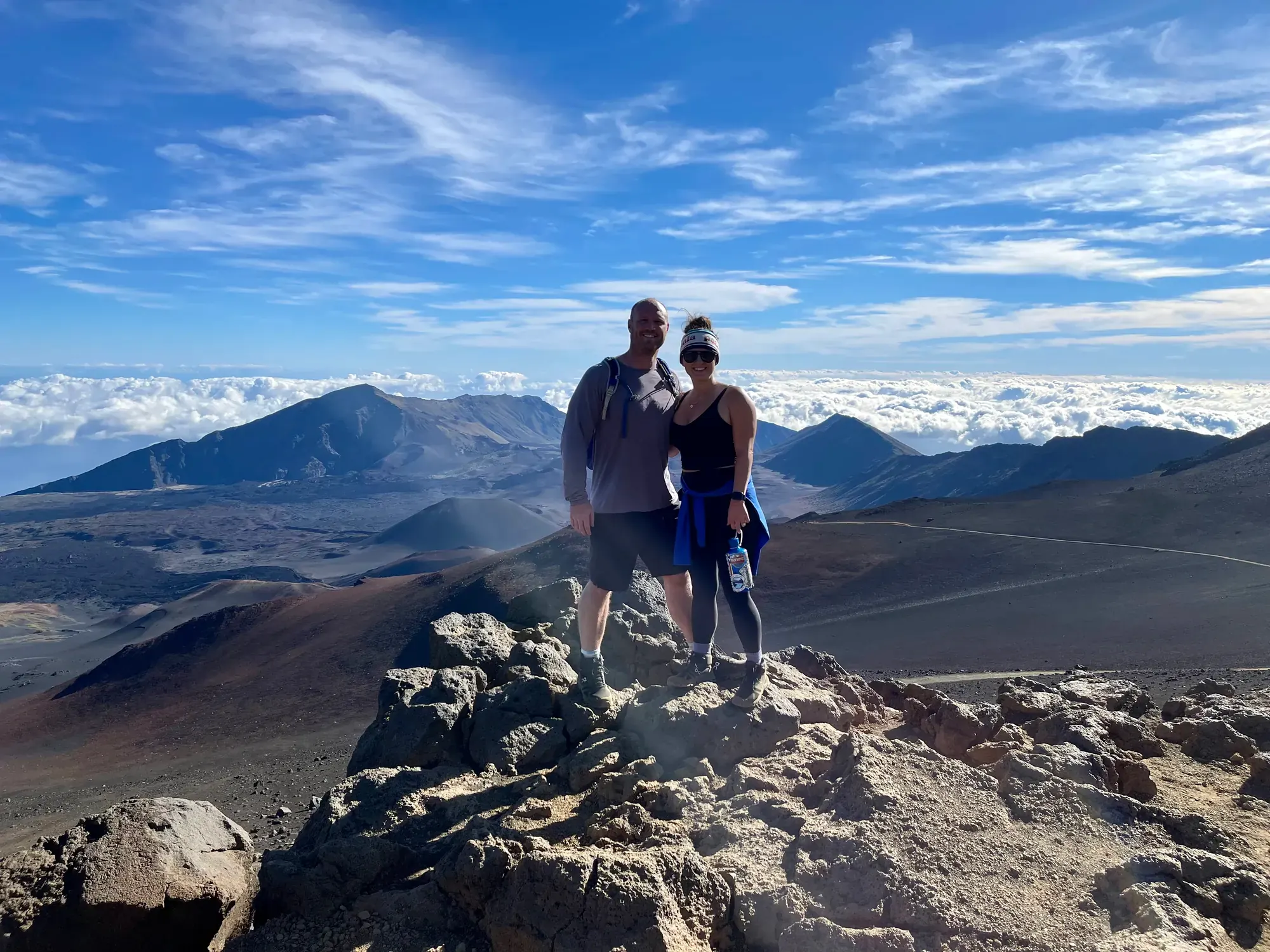
Haleakalā · Photo: David & Keri New
- 1 miDistance
- 1 hrTime
- ModerateDifficulty
The numbers, with sources
Distance: 1 mile to the bamboo forest; return by the same route Source
Gain: The NPS accessibility text mentions an 800-foot climb but doesn’t say how much of it comes before the bamboo forest Source
Time: 1 Hour Source
Difficulty: See the official route and surface descriptions; no separate rating added. Source
Trailhead: The Pīpīwai Trail begins to the left of Kīpahulu Visitor Center. Source
Route type: out-and-back Source
Built from official sources (checked Nov 3, 2026). Confirm current conditions with the park.
Recreation.gov permits, entrances & campgrounds
Recreation.gov (RIDB). Booking records date not published. NPS guidance above takes precedence. A listing doesn’t mean you need a permit or that there’s space on your dates.
Park campground options (4)
These records belong to the park’s NPS recreation area. We haven’t checked how close these are to the trail, when they open or whether sites are free; check the map and the booking page.
Haleakalā National Park (Wilderness Tent Permit) — Campground; RIDB reservable: yes. Season: not published in structured RIDB data. Recreation.gov (RIDB) source · Booking details
NPS reservation guidance: Reservations are required to camp at all Wilderness tent sites. NPS source
Kipahulu Campground — Campground; RIDB reservable: yes. Season: not published in structured RIDB data. Recreation.gov (RIDB) source · Booking details
NPS reservation guidance: Reservations are required for all Kīpahulu camp sites. NPS source
Hosmer Grove Campground — Campground; RIDB reservable: yes. Season: not published in structured RIDB data. Recreation.gov (RIDB) source · Booking details
NPS reservation guidance: Reservations are required to camp at Hosmer Grove Campground. NPS source
Haleakalā National Park (Cabin Permits) — Campground; RIDB reservable: yes. Season: not published in structured RIDB data. Recreation.gov (RIDB) source · Booking details
NPS reservation guidance: Reservations are required to stay overnight at any of the three Wilderness cabins. NPS source
Route, junction by junction
Selected start → Selected destination
Turn around at the bamboo forest on the Pīpīwai Trail. Going on to Waimoku Falls is a different, longer hike. Source
No elevation profile yet:
No elevation profile yet: we haven’t verified complete measurements for this route. Source
In-depth guide
Compiled from linked sources, checked Nov 2, 2026. Each paragraph links to its source.
Is this hike for you?
The bamboo forest is 1 mile up the Pīpīwai Trail. Going up takes approximately 30 minutes and coming back about the same, so the round trip is approximately 1 hour. The trail is unpaved, uneven and rocky, with exposed roots, and it can be slippery after rain. Wear proper footwear and allow more time if it’s wet. Source
The trail
Polynesian voyagers brought ʻohe (bamboo) with them across the Pacific Ocean. It was used to make the ʻohe hanu ihu (nose flute), and the hollow tubes could start fires, carry water or be split into irrigation troughs. More bamboo species reached Hawaii as immigration to the Hawaiian Islands grew, and today groves of different varieties grow throughout the islands. On breezy days the leaves rattle and the stalks creak, clack and pop. Source
If you want to keep going, the trail continues another mile past the bamboo forest and ends at Waimoku Falls. Source
Getting to the trailhead
The Pīpīwai Trail starts to the left of the Kīpahulu Visitor Center. Source
Distance and elevation
The 1 mile is one way, and you return the same way. The NPS says the trail climbs 800 feet, with several sets of steps and a few steep sections, but it doesn’t say how much of that climb comes before the bamboo forest. Source
There’s no elevation profile yet: we haven’t verified complete measurements for this route. Source
Water and food
Bring water, sun protection and a snack for the trail. Source
Kids, strollers and wheelchairs
The NPS doesn’t rate this trail for strollers or wheelchairs or give a minimum age. Think about the steps, roots and steep sections before you bring them. Source
Before you go
The NPS lists this hike for winter, spring, summer and fall. Check current alerts before you go. One recent alert closed the Kīpahulu District Campground through at least Thursday, November 5, after heavy rain damaged the campground road. Source · Source 2
Decide before you start if you’re stopping at the bamboo or going on to Waimoku Falls. Turn back early if the group is slower than you expected. Source
Dogs, permits and fees
Pets aren’t allowed on this trail. Stay on the trail. Source
No reservation is needed. Park entry is $30.00 per private, non-commercial vehicle (14 max capacity or less), valid for three days for everyone inside, and covers both the Summit and Kīpahulu Districts of Haleakalā National Park. Source · Source 2 · Source 3
Sources & planning limits
Reviewed 2026-11-03. Check current conditions for your trip dates.
- The NPS doesn’t list permit, reservation or fee terms for this trail. Check them for your travel date. Source
- NPS details are as of the date shown. Confirm access, services and reservations for your travel date. Source
- The NPS doesn’t say whether this trail suits kids or people with limited mobility. Check its accessibility page before you choose it. Source
- No elevation profile yet: we haven’t verified complete measurements for this route. Source
Getting there and back
The Pīpīwai Trail begins to the left of Kīpahulu Visitor Center. Source
Return: Complete the return arrangement described for this route. NPS places the bamboo forest one mile from the start and says the trail continues another mile to the falls. Its accessibility text mentions 800 feet of climbing but does not clearly assign that number to the shorter destination. The figure is left qualified rather than treated as verified gain to the bamboo forest. Source
Water
An instrument, ʻohe hanu ihu (nose flute), is made from ʻohe and the hollow tubes can also be used to start fires, carry water, or split to make irrigation troughs. Source
Be sure to have water, sun protection, and a snack for the trail! Source
Hazards
The trail is unpaved, uneven, and can be slippery following rain. Source
Season
NPS activity season tags: Winter, Spring, Summer, Fall. Source
NPS activity season tags: Winter, Spring, Summer, Fall. Source
Gear & rules
The NPS activity marks pets permitted: false. Source
Filling a gap in your kit? Compare these packing essentials on Amazon. Choose gear for your route, conditions and the park’s guidance.
As an Amazon Associate we earn from qualifying purchases. How this works
An instrument, ʻohe hanu ihu (nose flute), is made from ʻohe and the hollow tubes can also be used to start fires, carry water, or split to make irrigation troughs. Source
Questions
Which hike is this?
Turn around at the bamboo forest on the Pīpīwai Trail. Going on to Waimoku Falls is a different, longer hike. Source
Are the published figures fully consistent?
NPS places the bamboo forest one mile from the start and says the trail continues another mile to the falls. Its accessibility text mentions 800 feet of climbing but does not clearly assign that number to the shorter destination. The figure is left qualified rather than treated as verified gain to the bamboo forest. Source
Is there an elevation profile?
No elevation profile: NPS maps the Pīpīwai Trail, but we don’t have a confirmed location for the one-mile bamboo-forest turnaround. The longer trail cannot be clipped at an assumed milepost to manufacture a destination profile. Source
Alternatives
More Haleakalā trail guides
- Keoneheʻeheʻe Trail to the First Overlook1 mi · Moderate