
Compare these animals with other parks, month by month, in the national park Wildlife finder.
-

(c) mikaelsoderberg, some rights reserved (CC BY) · iNaturalist Moose
Alces alces
- Where
- Washington Creek, Ojibway Lake, Feldtmann Lake, and Hidden Lake
- Most often reported
- May–Jun, Aug (its biggest share of park sightings on iNaturalist)
-
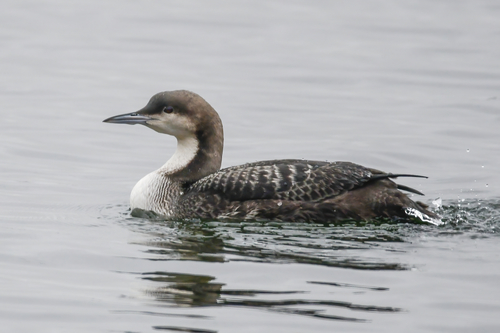
(c) Frank Sengpiel, some rights reserved (CC BY), uploaded by Frank Sengpiel · iNaturalist Loon
Gaviiformes
- Where
- Small islands and shoreline nesting areas
- Best season
- Nesting period May through mid-July
- Stay back
- Stay at least 150 feet from small islands and shoreline nests during nesting
-
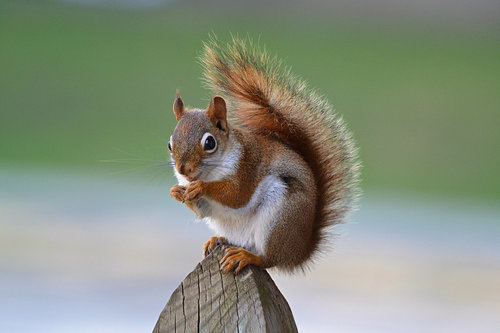
(c) DaPuglet, some rights reserved (CC BY-SA) · iNaturalist American red squirrel
Tamiasciurus hudsonicus
- Most often reported
- May–Jun, Aug–Sep (its biggest share of park sightings on iNaturalist)
-
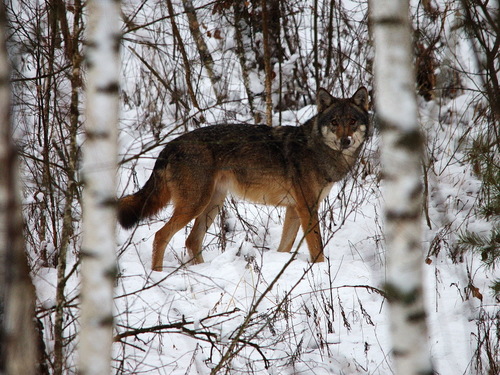
(c) Andrew Simon, some rights reserved (CC BY) · iNaturalist Wolf
Canis lupus
- Most often reported
- May–Jun, Aug (its biggest share of park sightings on iNaturalist)
-
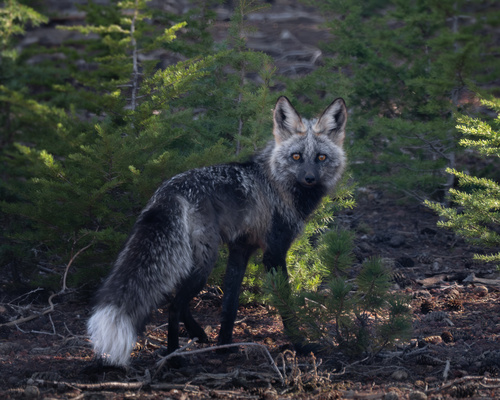
(c) David Willingham, some rights reserved (CC BY) · iNaturalist Red fox
Vulpes vulpes
- Where
- Forest edges, open areas, trails, and campgrounds
- Most often reported
- Aug–Sep (its biggest share of park sightings on iNaturalist)
-

no rights reserved · iNaturalist Beaver
Castoridae
- Most often reported
- May–Jun (its biggest share of park sightings on iNaturalist)
-

(c) Judy Gallagher, some rights reserved (CC BY) · iNaturalist White-throated sparrow
Zonotrichia albicollis
- Most often reported
- May (its biggest share of park sightings on iNaturalist)
-
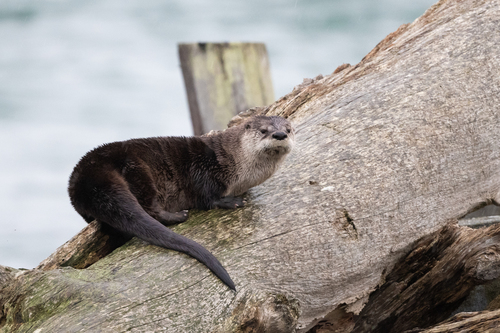
no rights reserved, uploaded by Adam Jackson · iNaturalist River otter
Lontra canadensis
- Most often reported
- Jun–Aug (its biggest share of park sightings on iNaturalist)
-
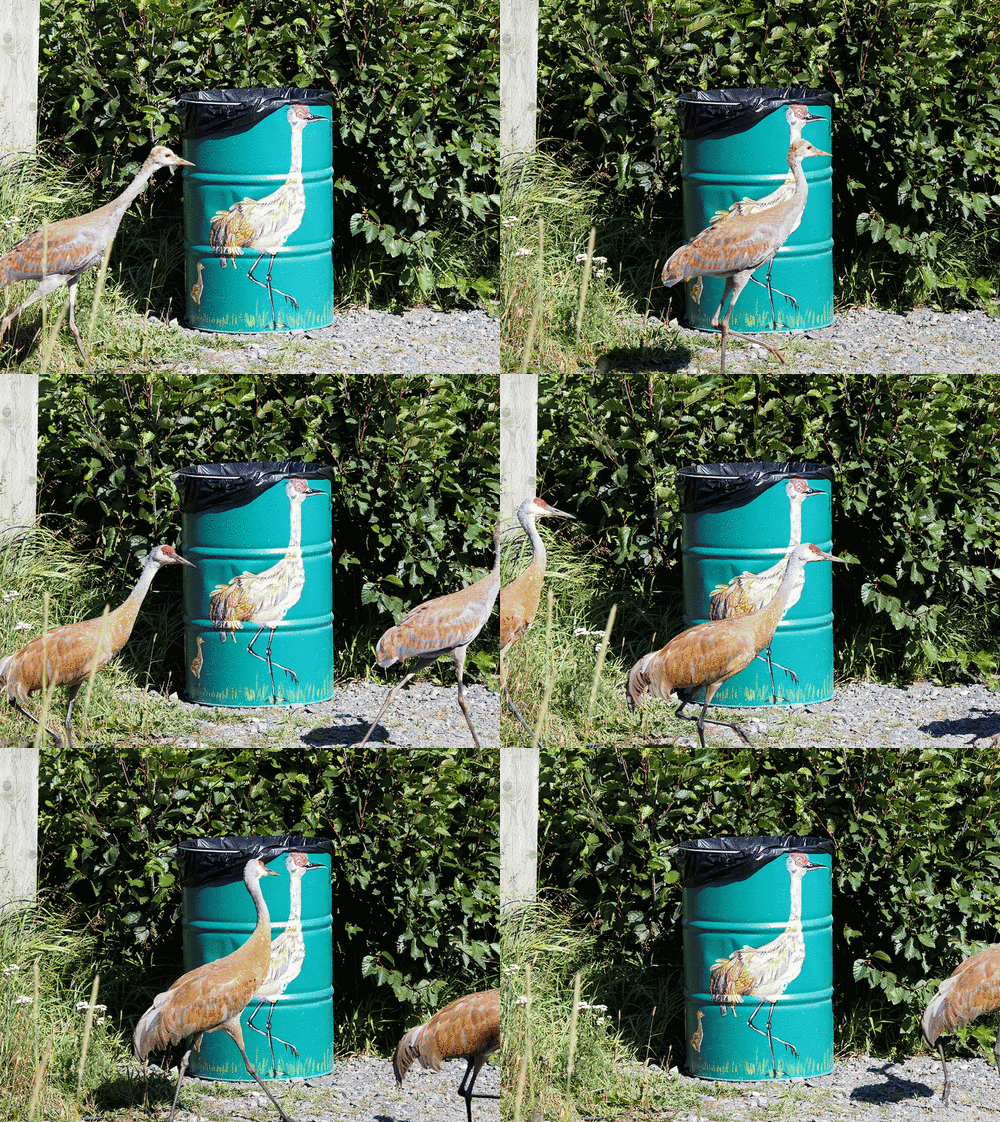
(c) Matt Muir, some rights reserved (CC BY) · iNaturalist Sandhill crane
Antigone canadensis
- Where
- Drained wetlands across the island
- Most often reported
- May (its biggest share of park sightings on iNaturalist)
-

no rights reserved, uploaded by Reuven Martin · iNaturalist
Where, season and viewing rules come from the National Park Service pages linked on each animal. Where the NPS names a best season, we show that. Otherwise “Most often reported” gives the months when the animal makes up its largest share of iNaturalist research-grade sightings in the park (retrieved Nov 5, 2026). Animals that live here all year can show winter months there simply because fewer other animals are reported then; it is not a guarantee of a sighting. For live sightings and current alerts, use the Wildlife finder.
Planning a trip to see them? See camping in Isle Royale, or where to stay near Isle Royale. The Isle Royale guide has the itinerary, permits, and (where we have them) guided-tour options.
See wildlife with a guide
Affiliate link: we may earn a commission, at no extra cost to you. How this works